
Meet the SENEB project, supported by the Fundo da Quebrada
The Seneb Project in the Campo Grande territory was born from the idea of offering Kemetic Yoga classes to Black, Indigenous, Black-mixed, and Indigenous-mixed peoples from the peripheries of Campinas, weaving together self-care, ancestrality, and a bond with the territory. With support from the Fundo da Quebrada, the initiative was structured to take place in both in-person and online formats, with the goal of strengthening health-prevention practices and broadening access to care tools in a region where this kind of offering is still little decentralized.
A proposal of care rooted in the territory
Care rooted in the territory
The project is grounded in the understanding that health care must also reach the margins, and not remain concentrated only in the city’s central areas. In the proposal submitted to the open call, Kemetic Yoga appears as an ancestral African practice of self-care, self-observation, and self-awareness, with an application adaptable to different bodies and stories. The in-person classes were also designed as a strategy to strengthen the bond with Campo Grande, in particular with the Casa de Cultura Itajaí, a partner space of the initiative.
This proposal connects with a broader public-health context. The project’s application links the increase in visits recorded in eSUS in Campinas between 2021 and 2024 to recurring conditions associated with a sedentary lifestyle, chronic stress, poor sleep quality, low prevention, and other factors that intensely affect peripheral populations. In this scenario, Seneb was conceived as a response of prevention and well-being promotion, focused on strengthening individual and collective autonomy through regular practice.
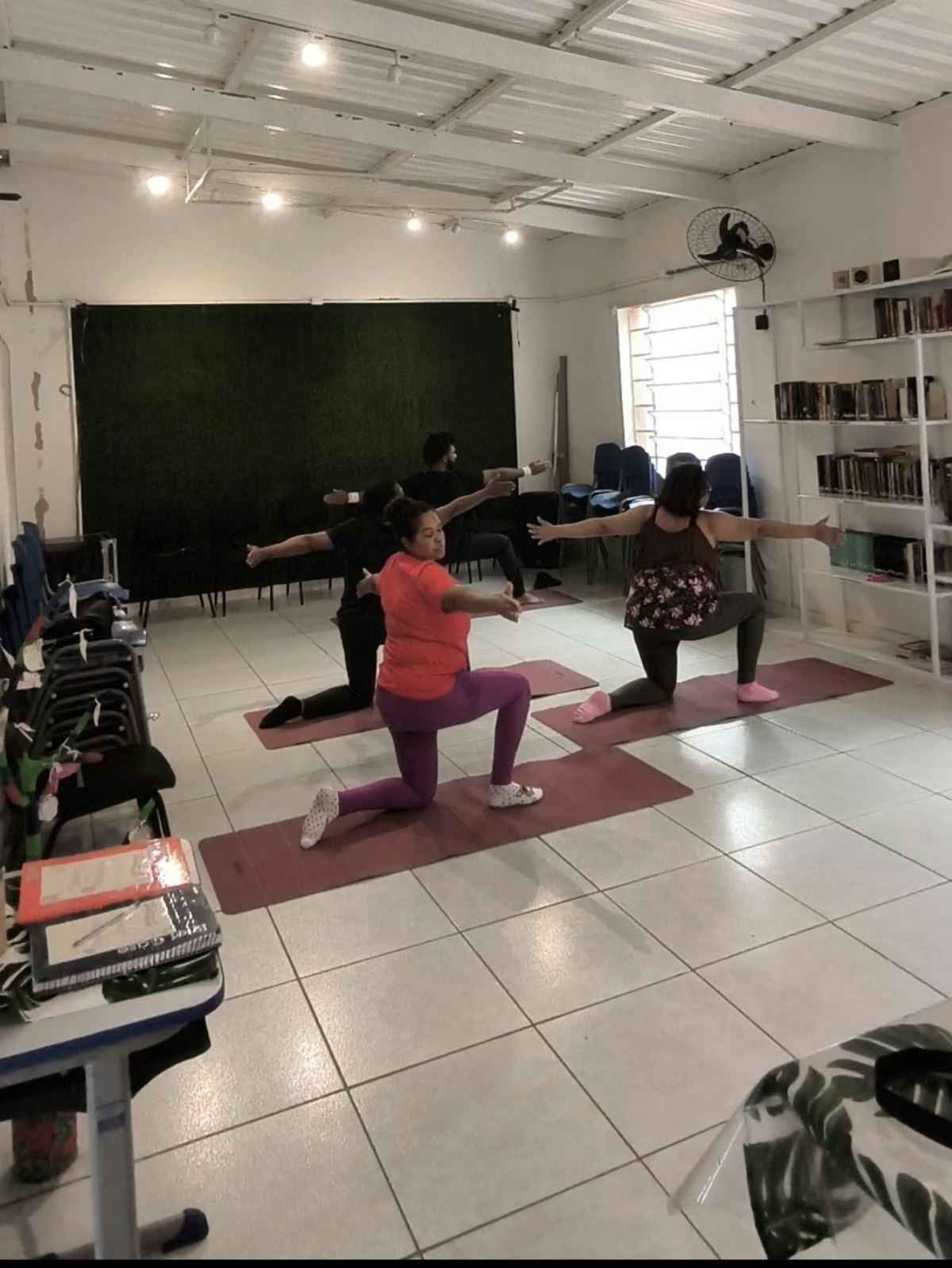
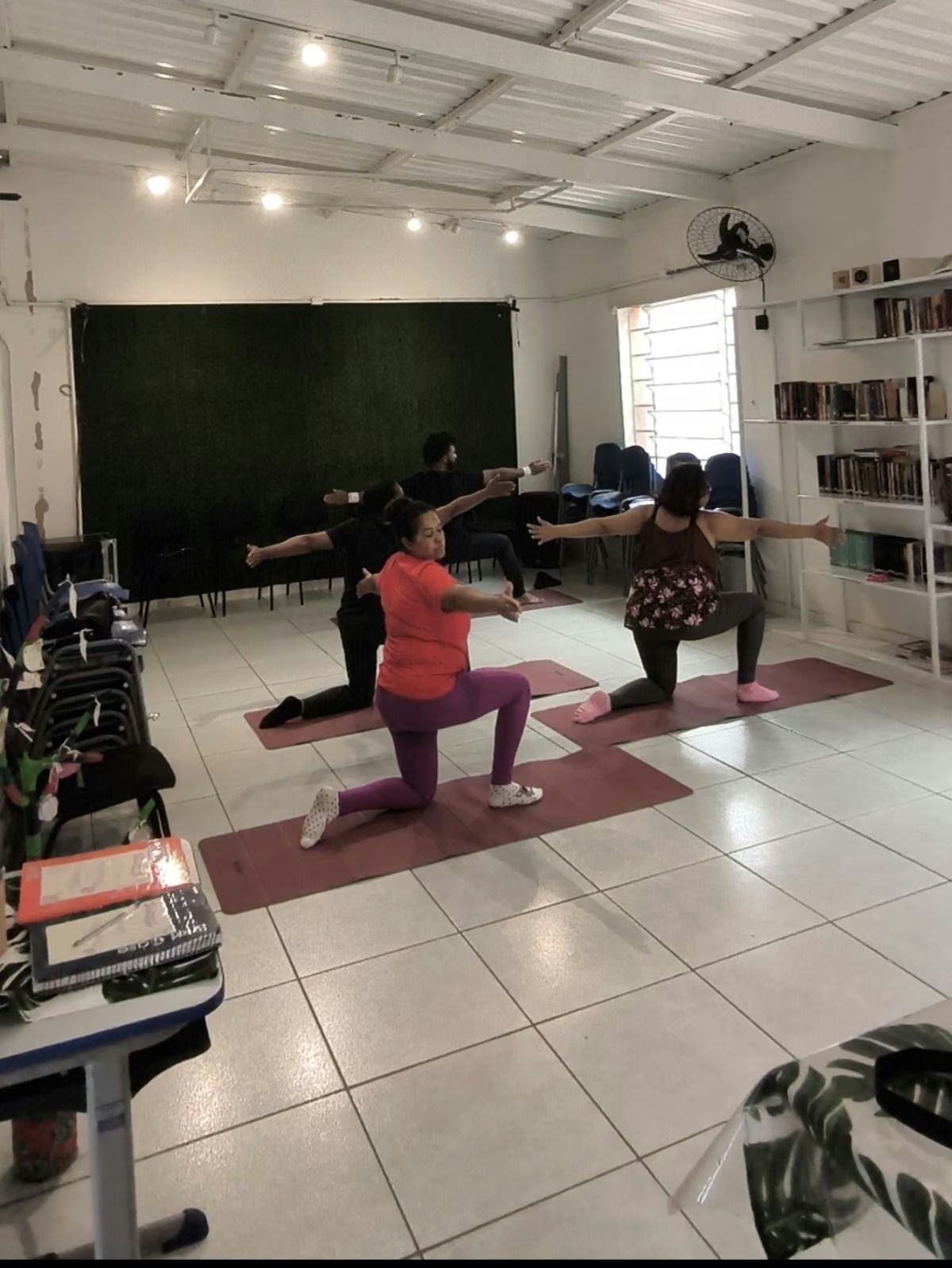
A session of the Seneb Project in the Campo Grande territory during an in-person activity in the territory.
From the proposal to the feasible execution
Adjustments in execution
The initial design foresaw 10 in-person and 8 online sessions, organized into two groups, with the expectation of reaching up to 20 direct beneficiaries. In practice, the execution had to be adjusted to the reality encountered. Three in-person class dates and five online class dates were held. The project received 9 enrollments, all from Black women, and 5 of them actually took part in the activities. In all, 13 attendances were recorded in the classes, which corresponds to an average of 2.6 guided sessions per person.
Although the execution was partial in relation to the original plan, the path taken offers an important insight for reading the case. The project managed to validate the strength of the proposal even with lower attendance than expected. This makes it possible to understand that, in territorial care initiatives, impact does not depend solely on numerical scale, but also on methodological consistency, adherence to the local context, and the capacity to listen to the concrete limits of the participants’ daily lives.
Results perceived by the participants
Improvements perceived by the participants
The results recorded at the end of the process indicate relevant effects on the practitioners’ experience. Approximately 90% of the diagnoses and symptoms of discomfort noted in the initial form showed felt improvements by the end of the project. The report also notes that everyone who took part in the sessions reported at least a 50% improvement regarding the symptoms and diagnoses mentioned at the beginning, with an overall average of 74% improvement among the participants.
Another significant figure is that 100% of the participants reported improvements in matters related to the physical body, the mind, and the emotions, as well as to their performance. As this is a project guided by comparative entry and exit forms, these results reinforce the initiative’s original goal of demonstrating, even on an initial scale, the effects of regular Kemetic Yoga practice on the perception of health and well-being.
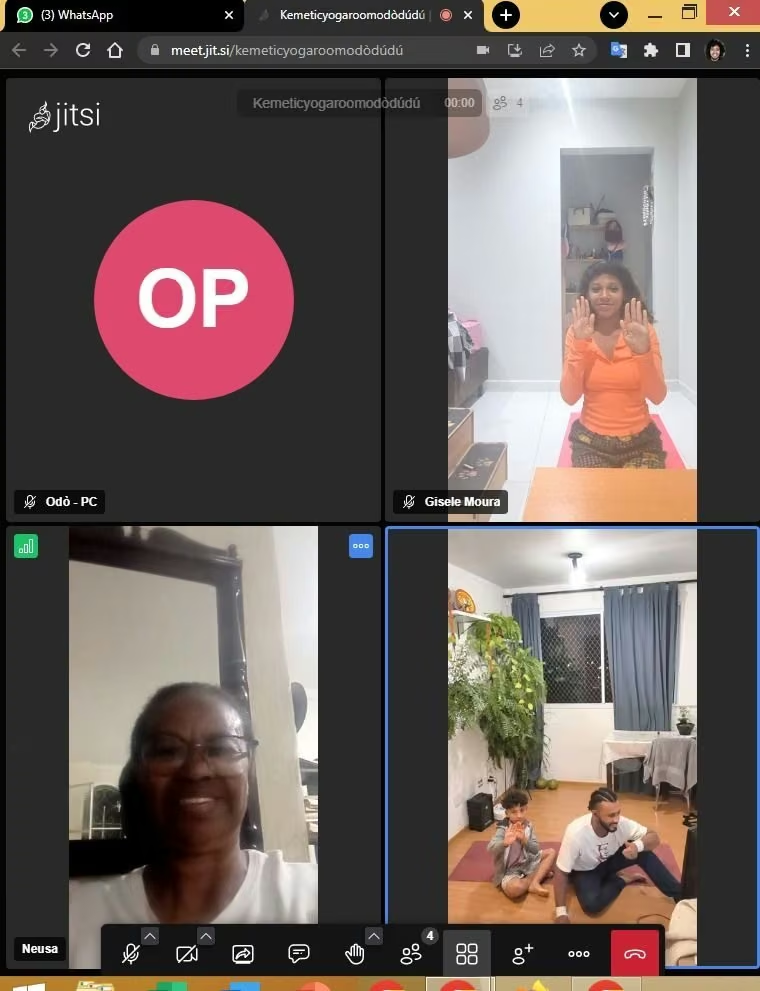
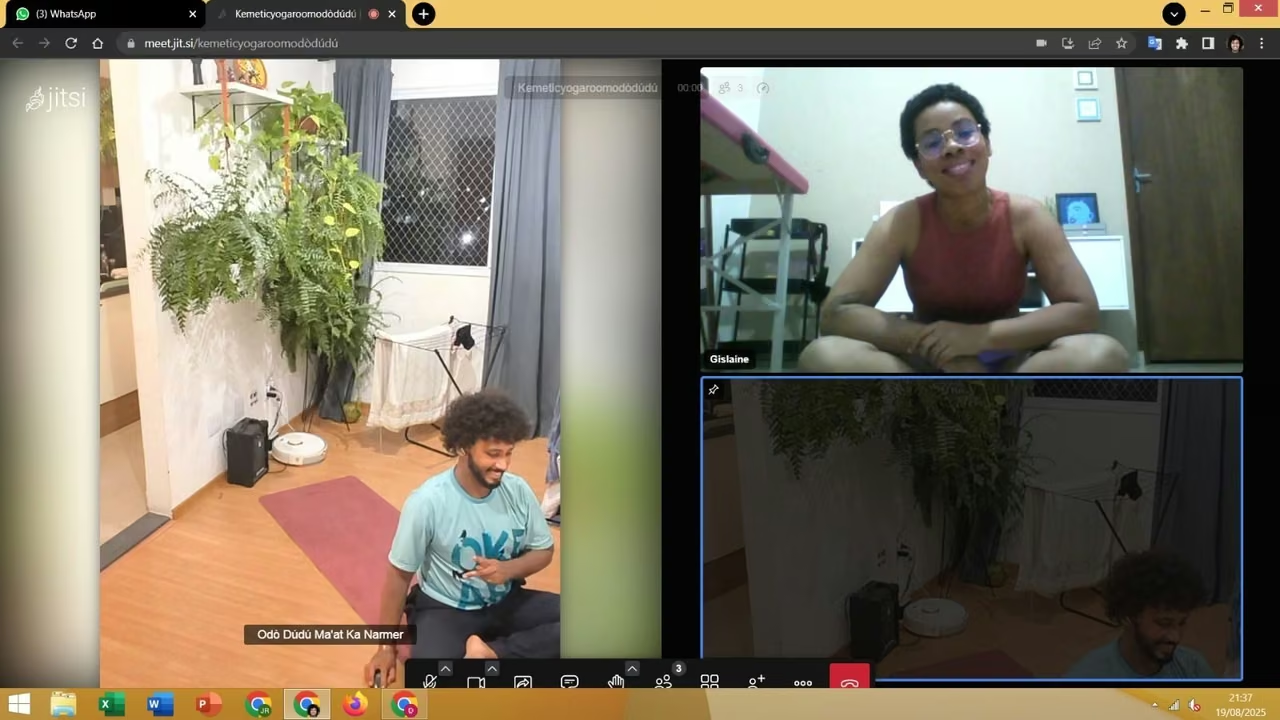
Records of the activities carried out online
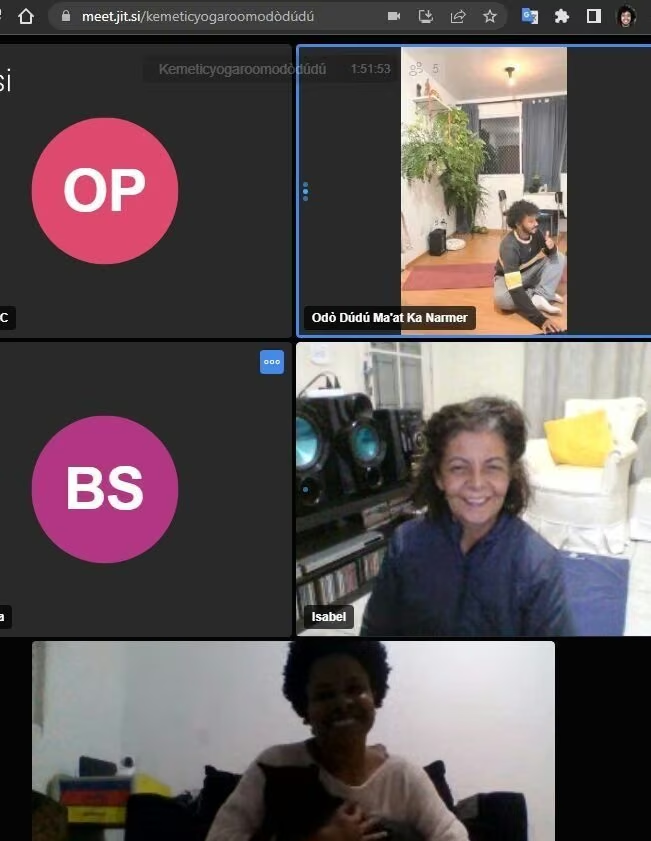
Video record of the activity
The video records one of the in-person classes held by the project and shows, in practice, part of the work developed with the participants in the territory. The footage presents some exercises and movements led during the session, helping to visualize how the Kemetic Yoga methodology was applied in person and how this proposal of care took shape in the initiative’s daily life.
Sharing on social media
The material published on social media had as its main purpose to invite residents and participants from the territory to learn about and join the project’s classes. More than promoting the initiative broadly, this communication was conceived as a direct call to the Campo Grande public, strengthening local mobilization and bringing the self-care proposal closer to the people who could experience it in practice.
Ver essa foto no InstagramUm post compartilhado por Odò Dúdú Ma’at Ka Narmer (@odo.dudu)
Prospects for the next activities
Paths for continuity
The possibilities for continuity show that the experience does not end with this cycle. To make the project’s permanence in the territory viable, the proposal is to set up a regular in-person class at the Casa de Cultura Itajaí, with at least 10 students, in addition to maintaining the offering of online classes at already defined times. More than pointing to operational continuity, this path indicates that Seneb left a concrete basis for strengthening a regular self-care practice in Campo Grande.
In the case of the Seneb Project in the Campo Grande territory, the Fundo da Quebrada was important because it made it possible to turn a proposal of care into a real experience, even on an initial scale, with results perceived by the participants, a strengthening of territorial presence, and progress in building a methodology of its own. The project shows that small initiatives, when anchored in the territory and conducted with intentionality, can open relevant paths for the promotion of health, autonomy, and well-being in the peripheries.