55%
In PISA 2022, 55% of Brazilian 15-year-olds fell below the basic level of proficiency in science (the OECD average is 24%). Only 1% reached the top levels. In mathematics the picture is worse still: 73% below basic.
PISA 2022 · OCDE · 2022 ↗Casa Hacker was born from one certainty: the peripheries are not a place of waiting — they are a place of beginning. We treat technology as a right and as a language of power, creating real opportunities for what already exists at the grassroots to gain structure, visibility and a future. Let’s program other futures, starting from where everything already happens.
Our work is needed for a sustainable tomorrow. The figures below show the size of the technological and educational inequality that Casa Hacker exists to help reduce — each one with its source and year.
In PISA 2022, 55% of Brazilian 15-year-olds fell below the basic level of proficiency in science (the OECD average is 24%). Only 1% reached the top levels. In mathematics the picture is worse still: 73% below basic.
PISA 2022 · OCDE · 2022 ↗Only 49% of Brazil’s public primary and lower-secondary schools offer internet for students to use, and fewer than half have a desktop computer for them — in municipal school systems the figures fall to 40.8% and 43%. The school has administrative internet (88.1%), but it does not reach the student’s hands. That is the gap community technology spaces fill.
Censo Escolar 2025 · INEP/MEC · 2025 ↗Only 29.9% of the Brazilian population has a command of basic digital skills, such as copying files and sending e-mails with attachments. Intermediate skills are held by 17.9%; advanced ones, such as programming, by just 4.2%. Among 14 countries compared, Brazil ranks 12th.
Anatel · TIC Domicílios 2023 (Cetic.br) · 2023 ↗The 2022 Census identified 16.4 million people living in 12,348 favelas and urban communities, across 656 municipalities — 8.1% of the country’s population, up from 6% in 2010. It is in these territories that digital and educational exclusion is concentrated, and it is there that Casa Hacker works.
Censo 2022 — Favelas e Comunidades Urbanas · IBGE · 2022 ↗Brazilian private social investment reached R$ 5,8 billion in 2024 — but only R$ 1,3 billion (around 22%) was passed on to civil society organisations; the rest is delivered by the foundations and institutes themselves. And what is donated tends to go to organisations that are already large and mature: the money rarely reaches the grassroots organisations of the territories.
Censo GIFE 2024-2025 · GIFE · 2024 ↗sources checked on 27/08/2026 · all indicators and sources →
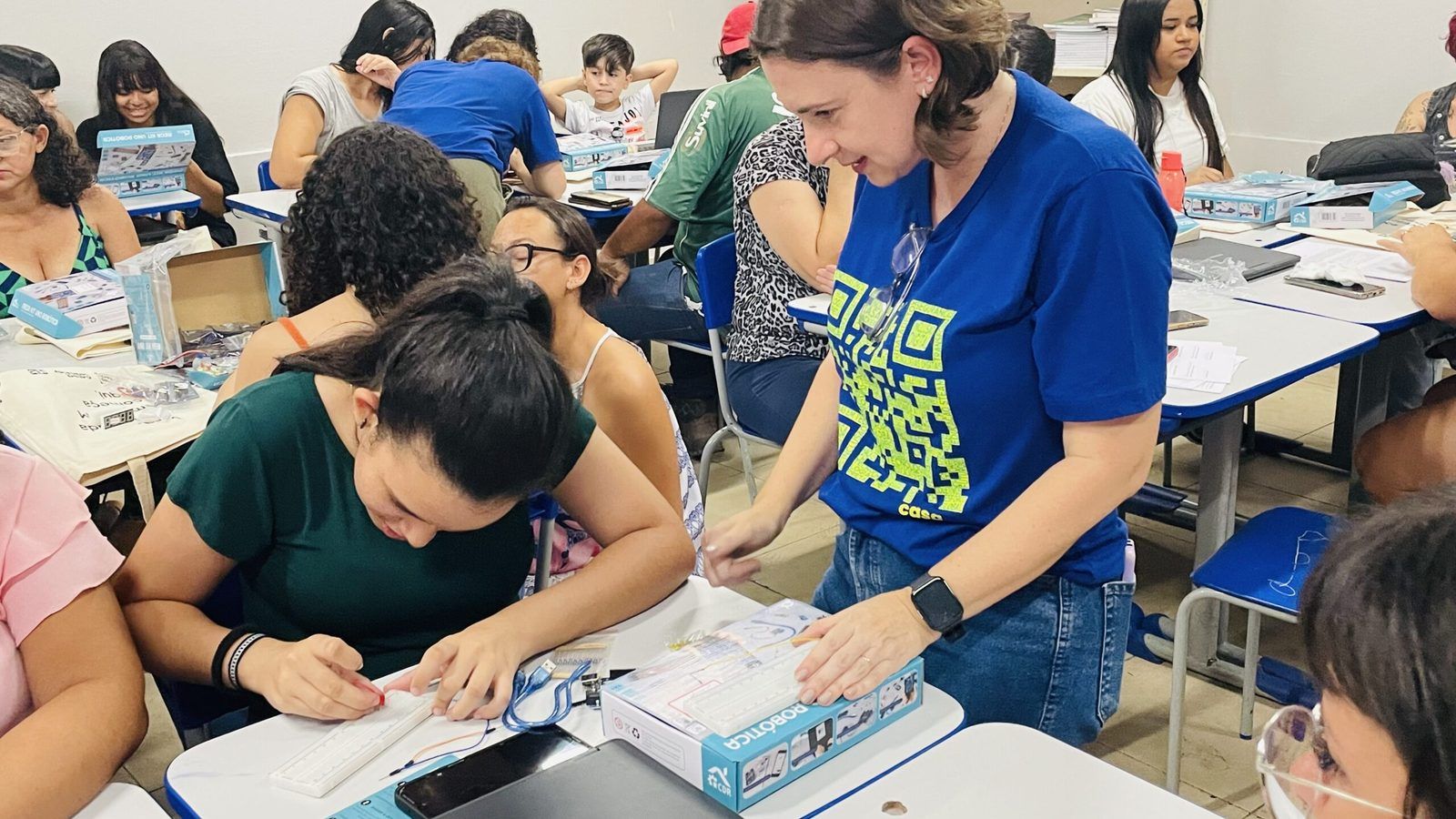
we build education opportunities in science, technology, engineering, arts and mathematics, tied to the global sustainable development agenda. we spark creativity and innovation, turning community spaces into innovation labs with tomorrow’s leaders.
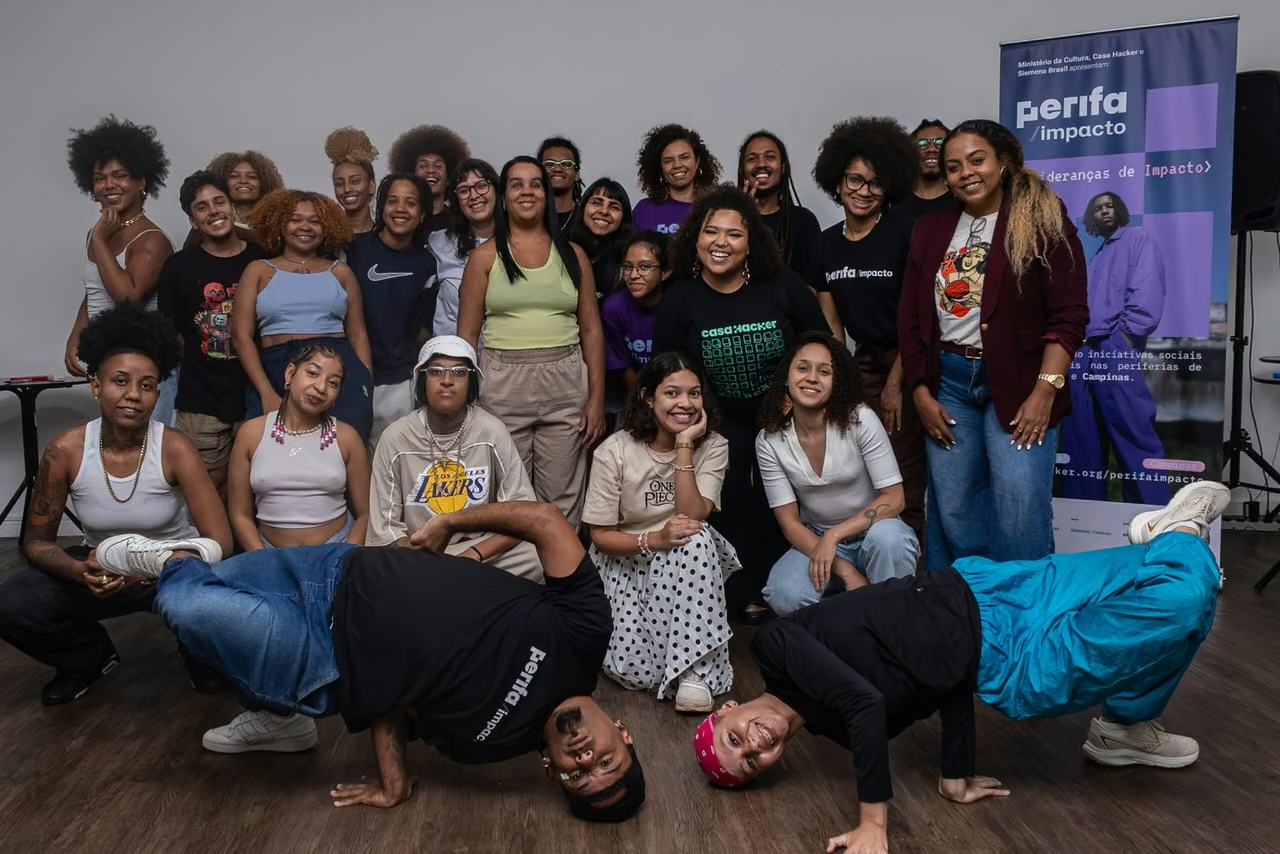
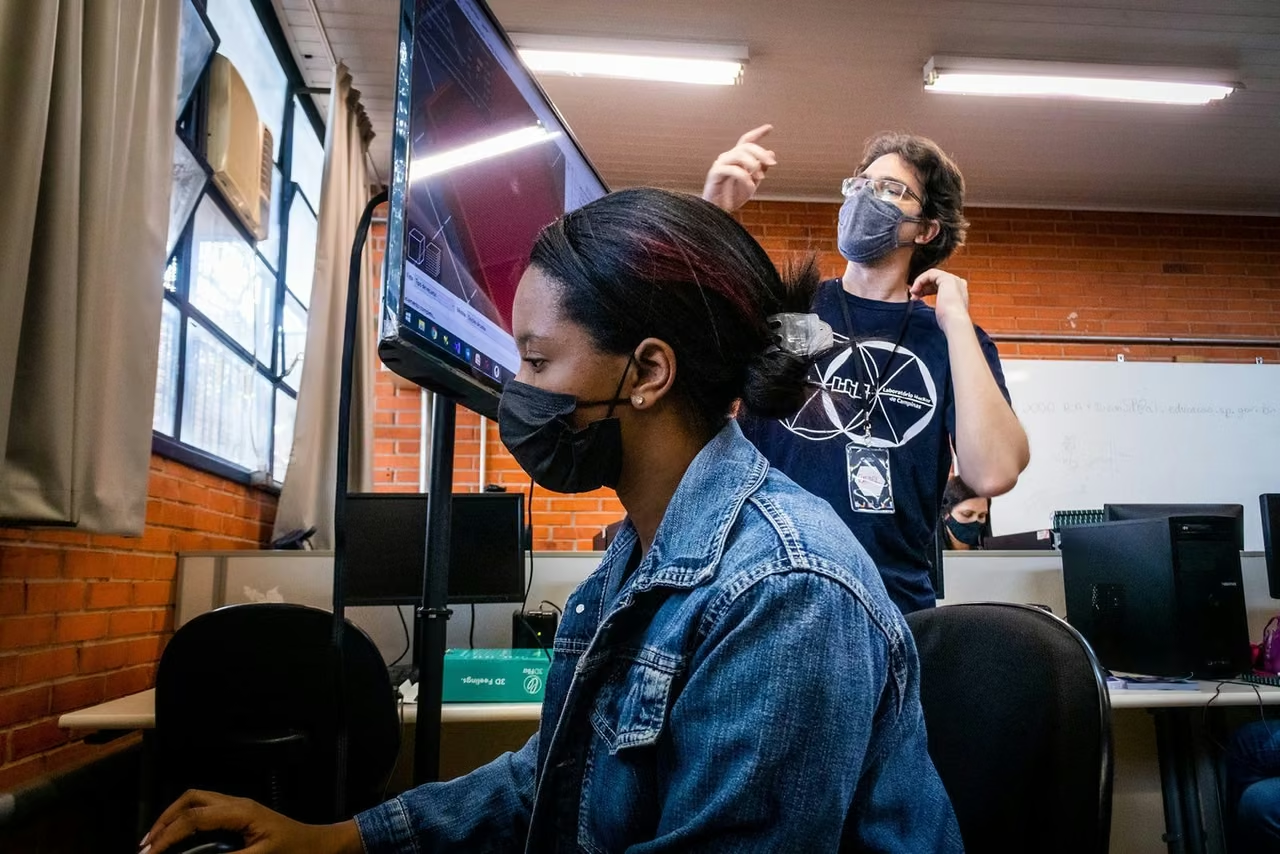
the periphery is tech, is pop, is innovation. we invest in grassroots impact leaders who are transforming their territories through social innovation, technology, science and creativity. every impact leader is an agent of change who deserves backing.

we run socio-digital inclusion work for people of every age — from the first time at a computer to privacy and online safety — and turn what works into social technology that can be run anywhere in the country.
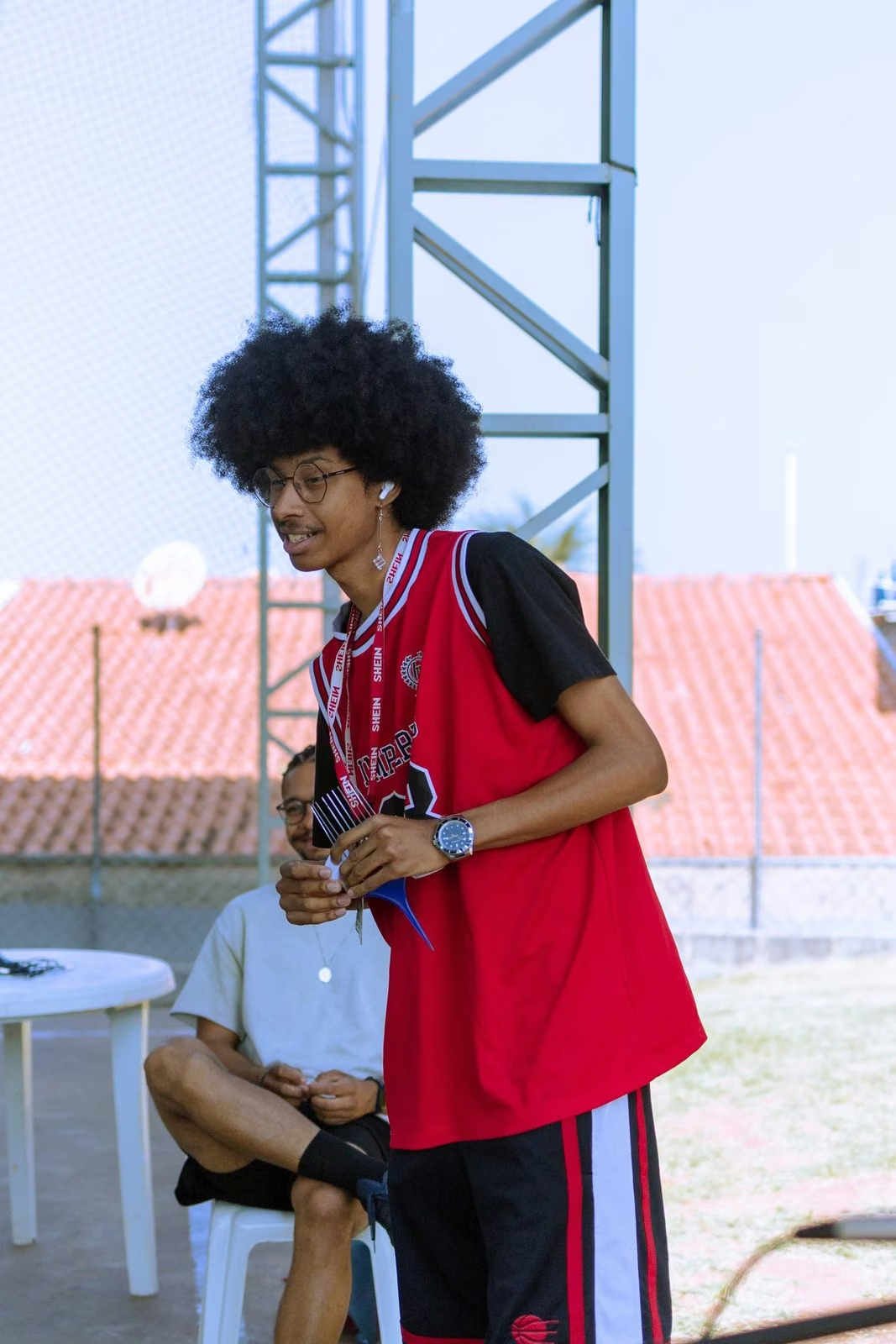
we train young people in civic participation and advocacy, build coalitions and shape public policy on digital rights, science and technology education, youth, race and gender — from territorial forums to state and federal commissions.
the house does not stop at the course. every talent found in the periphery is connected, trained and — when it makes sense — becomes a voice in public decisions.
active search in public schools, collectives, community leaders and grassroots organisations. whoever is out there, doing it, changing things.
campinas · sp + partner territoriesconnect with tech mentors, impact funds, institutional partners and the house’s alumni community. nobody walks alone.
+40 mentors · +13 partnersin-person workshops, the Mão na Massa platform with online courses, grants and funds to get prototypes running.
courses · funds · in person + onlinefield experience becomes an item on the agenda where decisions are made: digital inclusion, gender and race equity, online safety.
advocacy · monitoring · presence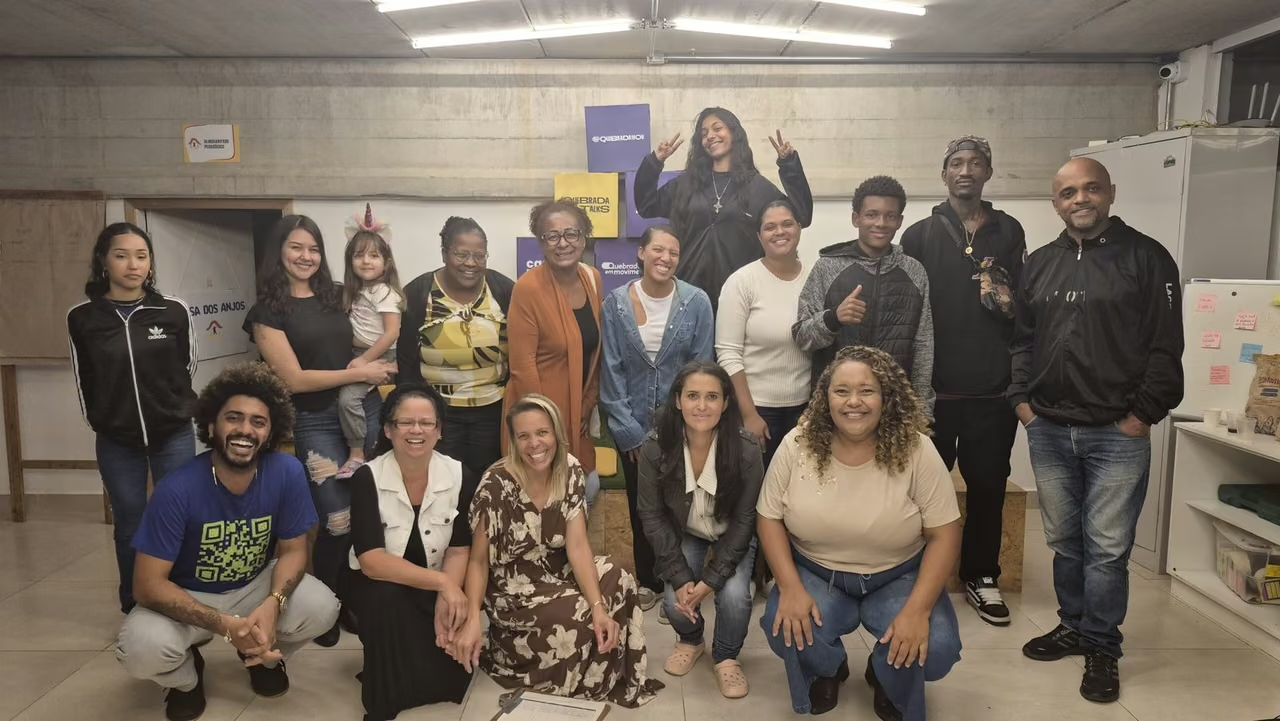 // initiative 01
01 · Social Innovation
Campo Grande · Campinas
A community hub for civic participation and citizenship in the Campo Grande district of Campinas. Peripheral intelligence — collectives, leaders, groups and associations — at the centre of solutions created by the quebrada itself.
 // initiative 02
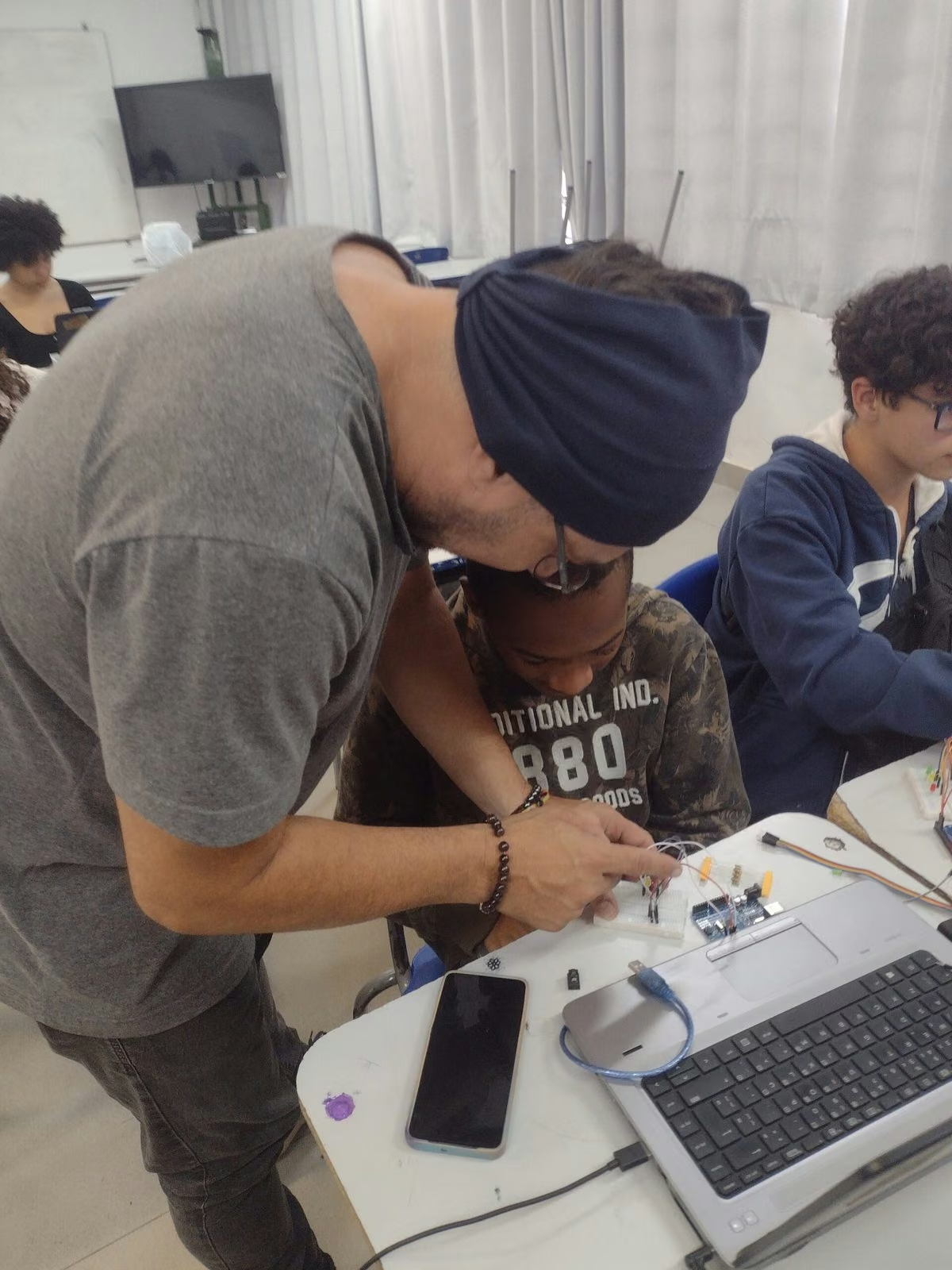
02 · STEAM Education
6 cities · São Paulo + Rio de Janeiro States
A club for technology, art and invention inside the public school — and free of charge. Seven hands-on months, from the first creative jam to the stage of the Festival Hackerclubes.
 // initiative 03
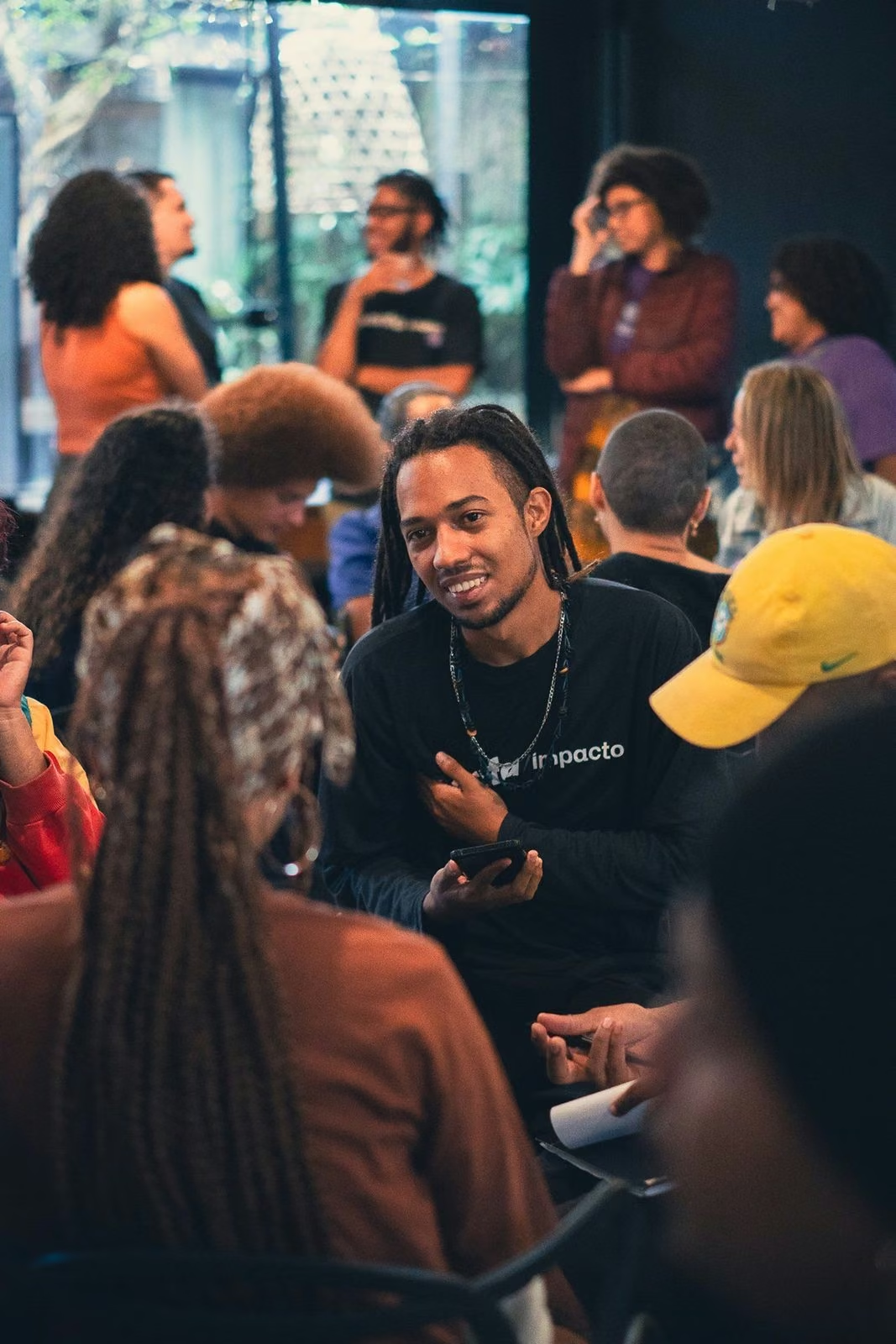
03 · Social Innovation
São Paulo + Campinas
If you are from São Paulo or Campinas and already run a social or cultural project in the quebrada, this programme is for you: dedicated mentoring, training, financial support and networks to turn ideas into initiatives that transform territories.
analyses, whitepapers, research, stories and field notes distilled into publications
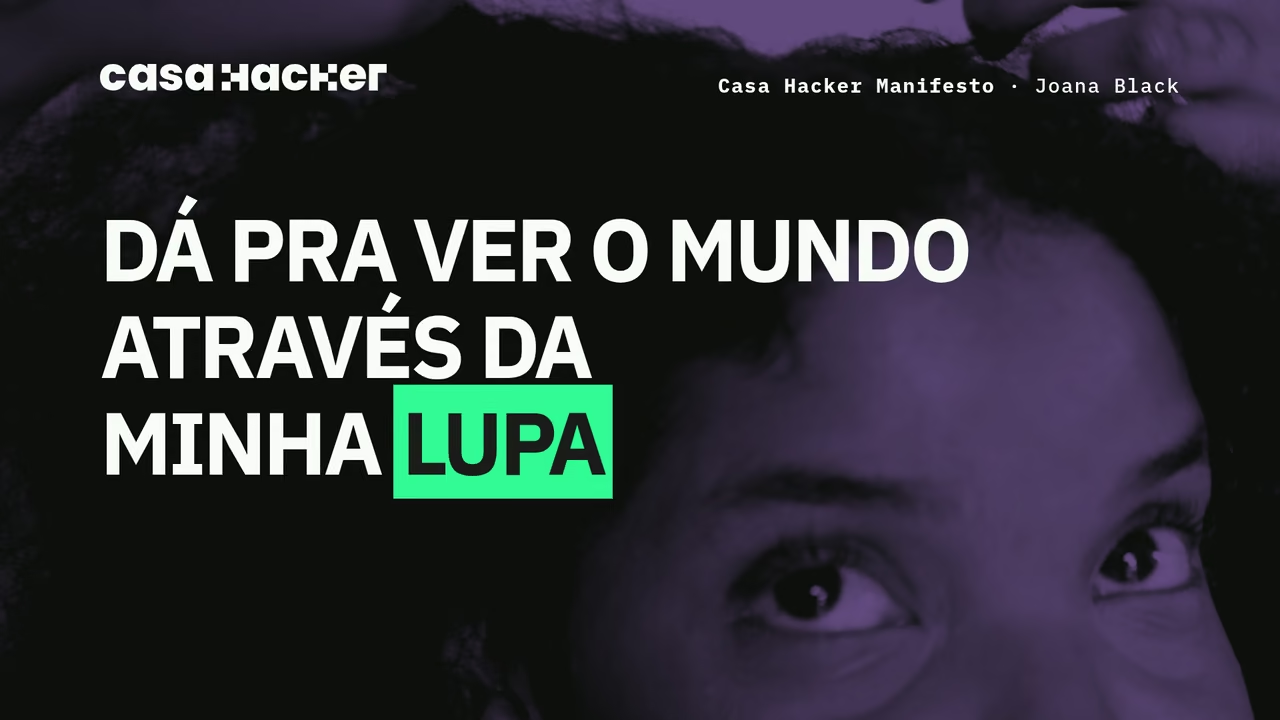
Joana Black composed and sings Casa Hacker Manifesto, the funk song that turns the Casa Hacker manifesto into verse. In our last post, we opened with Racionais MC's and distance; in this one, the periphery appears for what it has: potential, innovation, and knowledge. The lyric video and full lyrics are here.
![Cover of a Casa Hacker presentation titled "[communication] Institutional strategy and positioning", with the subtitle "Connecting projects, people, methodologies, and impact". To the right, there is a photograph of two young women in an urban environment, one of them holding a green cell phone.](/enviadas/3fb5e2402807-capa-comunicacao-estrategia-e-posicionamento-ins.avif)
Casa Hacker's participation in the Third Sector Communication Forum opened space to share the challenge of structuring Communication amid the organization's transformations. The experience brought new provocations on positioning, institutional narratives, knowledge production, and the relationship between Communication and the projects developed in the territories.
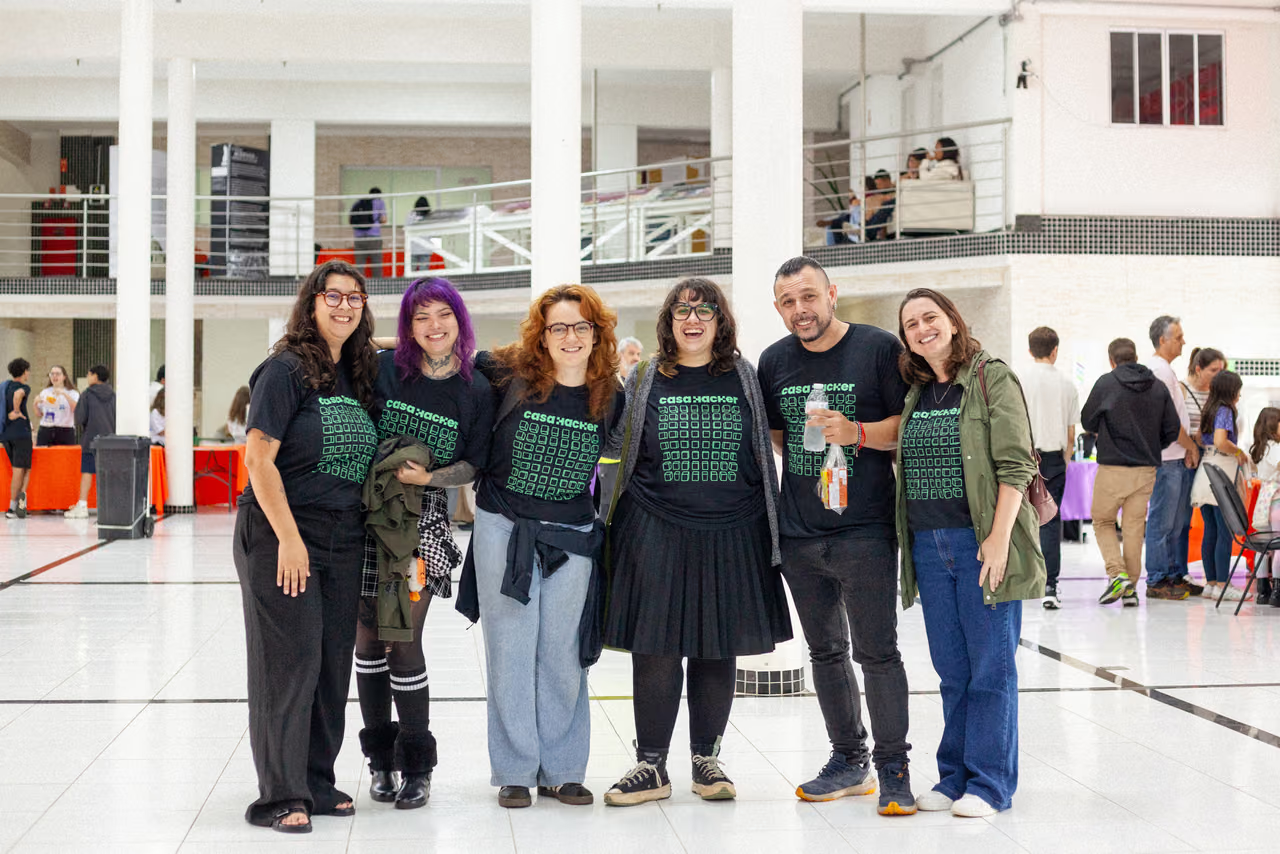
At Casa Hacker, meetings between educators create spaces to share experiences, challenges, activities, and lessons learned in the classroom. Through these exchanges and reflection on their own practice, educators expand their repertoires and collectively build new possibilities for STEAM education work.
events open to everyone — gatherings, workshops and mentoring. free to join, with a partial grant for those who need it. confirmation by form within 48h.
Campo Grande has 125,044 people, 11.0% of Campinas. We pulled the 2022 Census microdata, sector by sector, and we are going to read together what they say about the internet, income, and education in the territory. At the Number Clothesline, those who live in the neighborhood debate, disagree, and exchange experiences with the data in hand.
R. Ondina Moreno de Lima, 546 — Mezanino, Jardim Lilizathe figures below are cumulative since 2018 and reflect what actually went through the three fronts — people trained, leaders supported, capital allocated.
Meet Casa Hacker’s Mão na Massa platform. We offer courses in digital skills, careers and social innovation, putting you at the centre of the learning and driving the inclusion and diversity that turn technology into a force for everyone.









Casa Hacker is a non-profit created by people from the peripheries to make technology and social innovation a place for everyone. We work for the technological emancipation of peripheral people and for the capacity of organised groups to transform their own realities. Be part of the movement — donate.