
Written by Aliene Villaça, Amanda Santos and Patrícia Polzl
In 2024, Minas em Tech, a project dedicated to training secondary-school girls in STEAM subjects, began with a central challenge: to make sustainability a structuring axis of the projects developed over the course of the classes.
Throughout the year, we ran a range of activities that brought sustainable materials and practices into the technical content, alongside an introduction to the SDGs (Sustainable Development Goals). This grounding allowed the students to understand more broadly how sustainability is present in everyday actions and in the collective effort towards a better world. Combined with hands-on, creative classes, this approach encouraged them to build projects with personal meaning and social impact, always with an eye on sustainable practice.
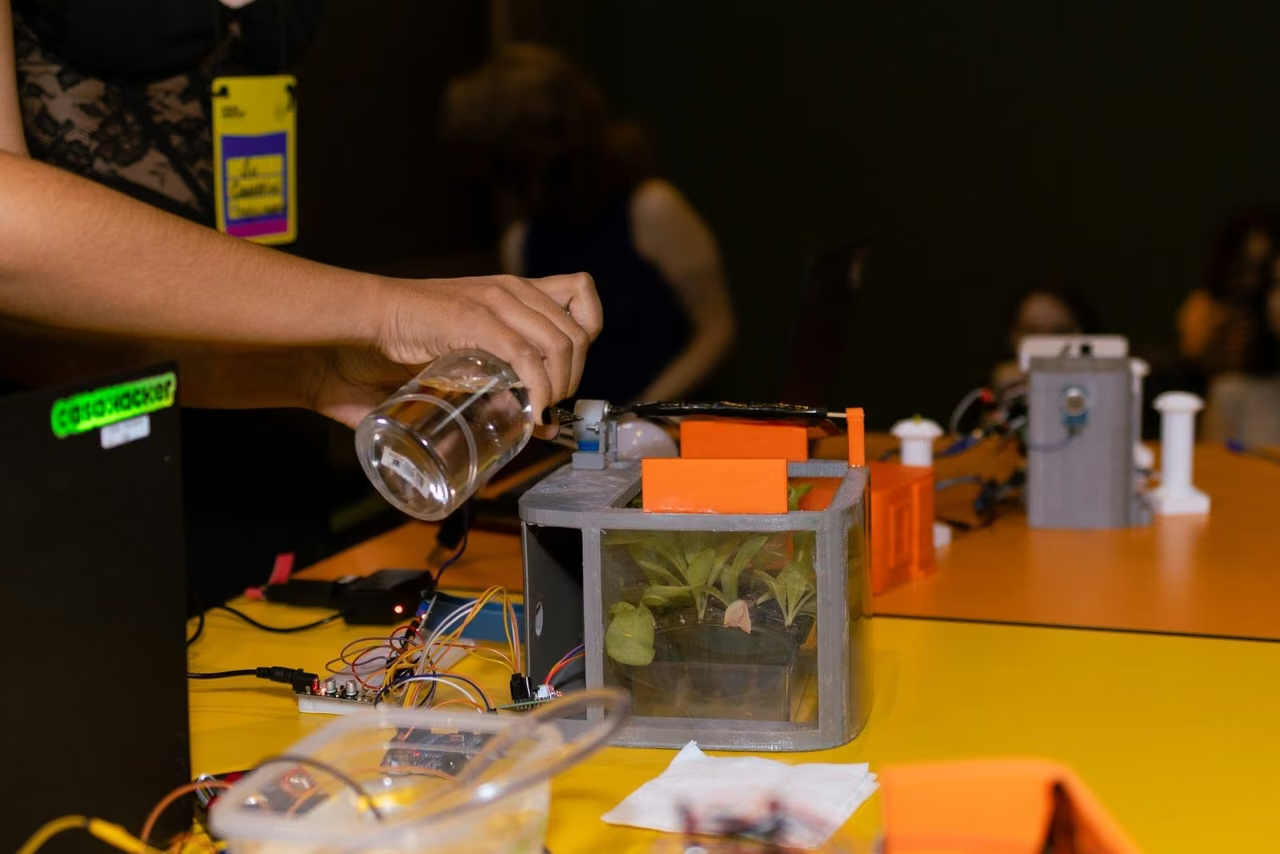
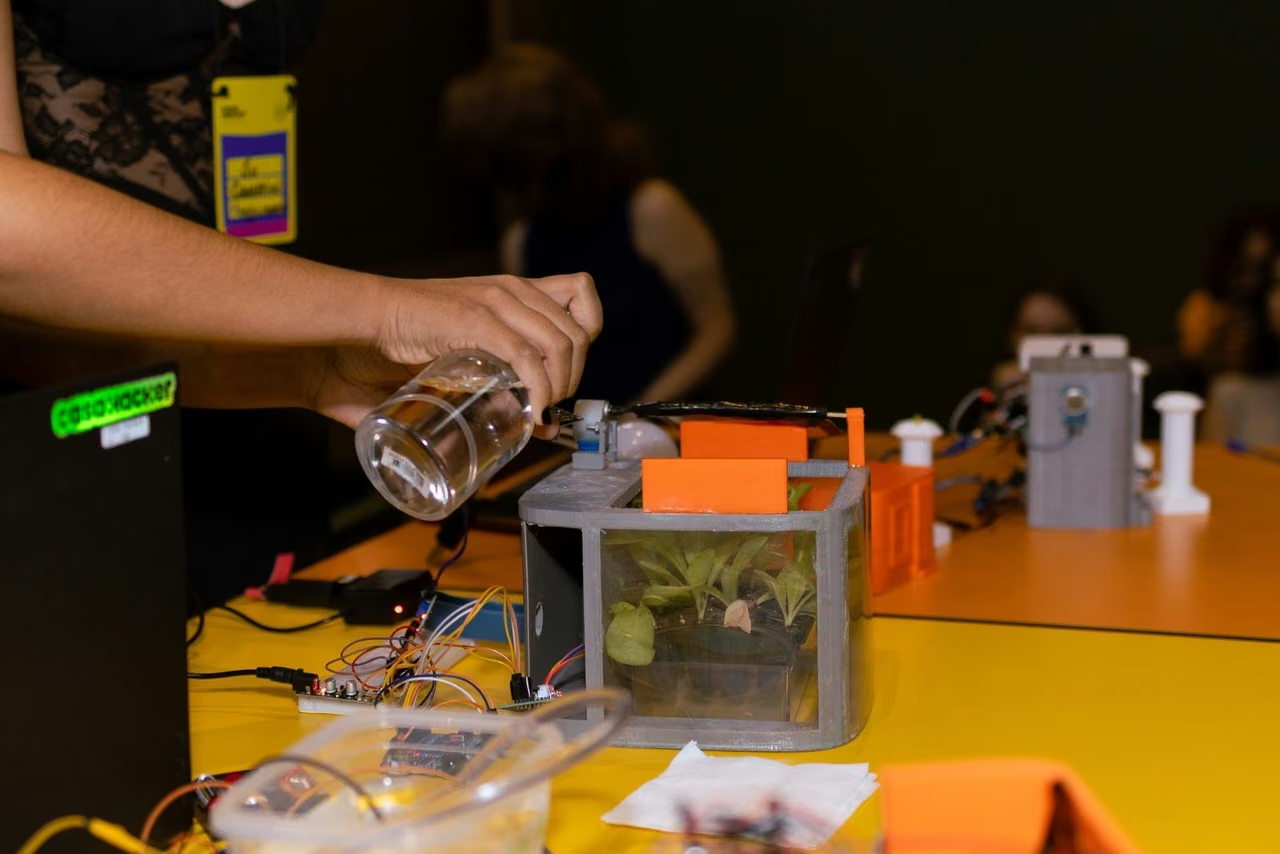
The automated, ecological garden project carried out by the 2024 Minas em Tech group.
What at first looked like a considerable challenge to us — the teaching and management team — was quickly embraced by the girls. From the start, they found it easy to fold sustainability into their ideas. Over time, they began to look at the school environment and at their own neighbourhood through new lenses: those of resource optimisation, collaborative economy and community sustainability.
We know that, for many secondary-school girls, the challenges go beyond the classroom. Being overloaded with housework and with caring for siblings or relatives is a frequent reason for dropping out. These conditions limit how they move around their territory and make it harder to develop autonomy. That is why it was essential to work on self-knowledge, autonomy and belonging throughout the year. The young women came to see themselves as protagonists capable of proposing solutions to improve their own reality — and that of the whole community.
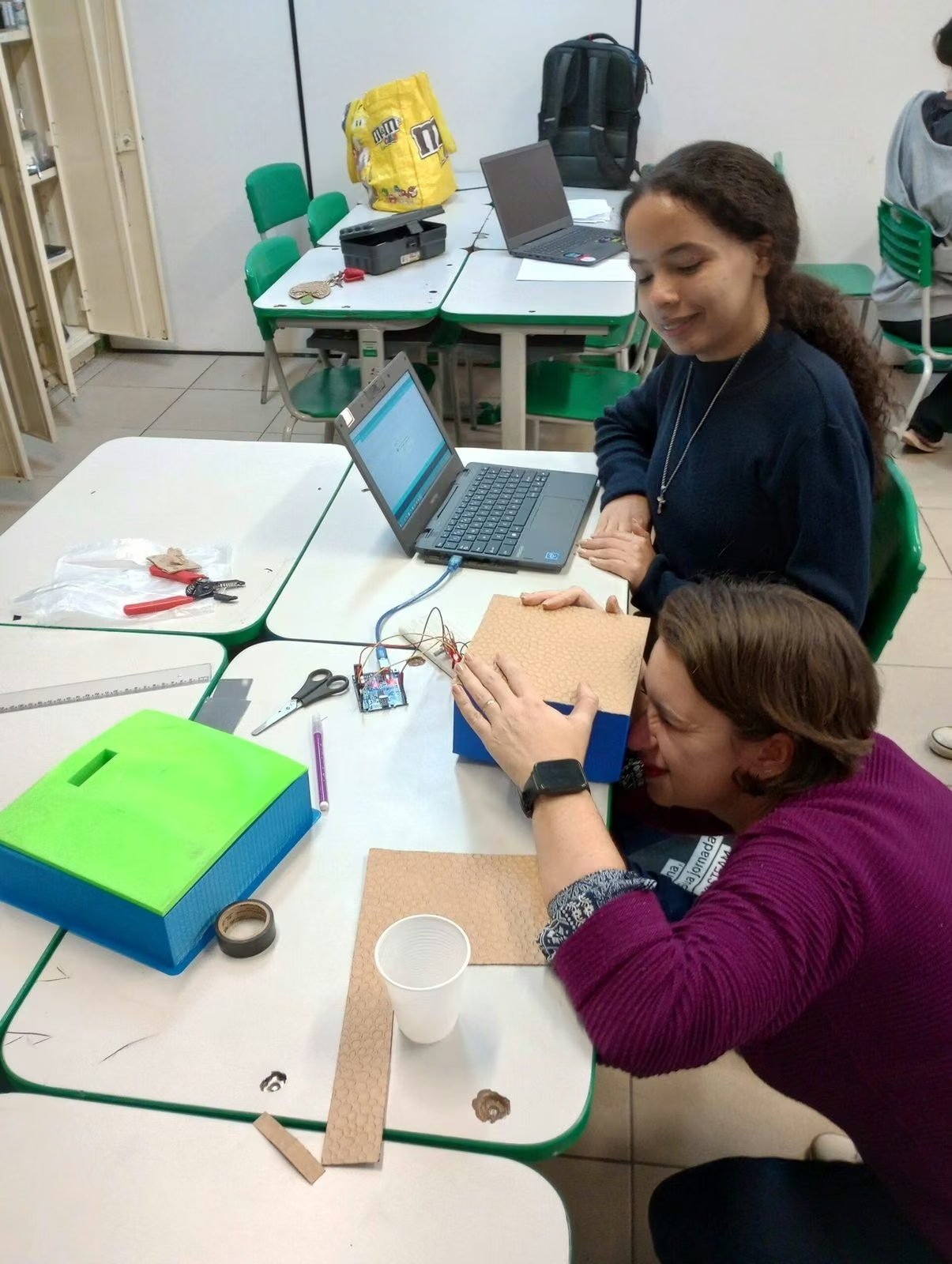
Students building prototypes using Modelling, 3D Printing and Electronics.
For teacher Patrícia Polzl, who followed the group closely throughout the year, the process was transformative:
“Seeing the girls gaining confidence, sharing ideas with a sparkle in their eyes and recognising themselves as belonging to the group was a deeply meaningful experience, and it taught me a great deal as a teacher. Sustainability was the thread running through it, but what was built there was far bigger: it was about autonomy, dedication and overcoming challenges that, before the course, had seemed impossible to them.”
Out of this proposal came the Sustainable Farm. In this model, the students developed a way of thinking about sustainability that was economically viable. The idea was to create a farm where the community could hand in recyclable materials and, as a currency of exchange, receive food grown in the garden or even obtain other products. The collected material would be sent to recycling centres to be sold, and the proceeds would go towards running the farm.
On this farm, the students, working in groups, created prototypes based on the technical knowledge acquired during the course, such as: a robot for monitoring the weather, a garden with an irrigation system and automatic closing (to prevent damage caused by excess sun or rain), a wildfire detection system, and a house with solar power and automated closing.
These proposals, which brought together creativity, technical knowledge and a genuine commitment to sustainability, showed the power of the process — made plain when 100% of the participants said they had gained more autonomy and confidence. And more than that, they showed that secondary-school girls, when given space, time and support, are perfectly capable of thinking up and building sustainable solutions with real impact in their territories.