Hello, Hackers! How are you?
I would like to say that I am reaching my last days as part of this incredible organisation, and I need to give some context about the last journey I took part in!
When people look at a project like PerifaImpacto, they usually see what happens on stage. The training courses, the gatherings, the festivals, the photos, the certificates and the results presented at the end of the journey. Few people imagine the amount of work that happens before each of those deliverables comes into being.
As Project Manager in Campinas, I lived PerifaImpacto from another angle. My job was not just to organise documents or keep track of schedules. It was to make sure that every leader had real conditions to take part in the journey, that processes happened at the right time and that no opportunity was lost to organisational failures.
In practice, I discovered that managing social projects is also a form of care.
For almost a year I supported twenty community leaders at different moments of their initiatives. Every gathering required dozens of small, invisible actions.
Confirming attendance, arranging transport, tracking payments, drawing up contracts, structuring indicators, reviewing documents, reporting accounts, talking with suppliers, checking dietary restrictions, organising venues, following the training and, above all, listening.
I learnt that no spreadsheet replaces a conversation.
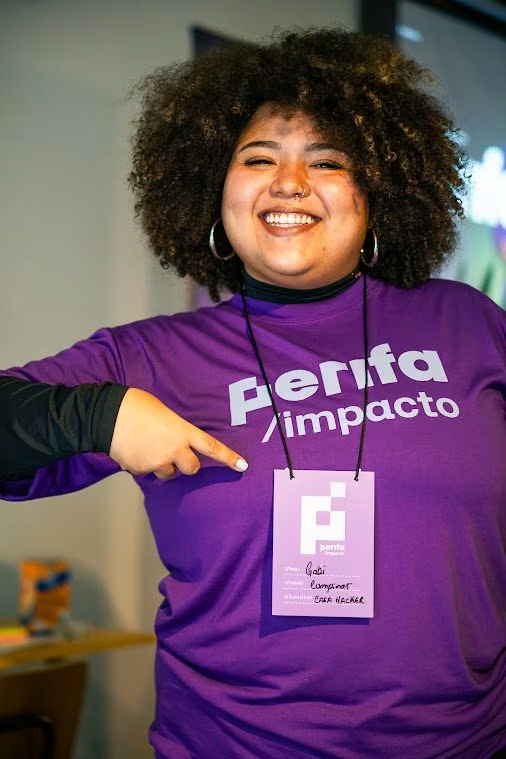
Often the challenge a leader raised appeared to be financial, when in fact it was about communication. At other times it looked like a lack of organisation, when in reality there was an excess of responsibilities concentrated in a single person. There were cases where the priority stopped being the project in order to care for family, formal work or one’s own health.
That was the moment I noticed an important difference between administering processes and supporting people. Processes need to be standardised. People do not. That was perhaps one of the greatest lessons of the journey.
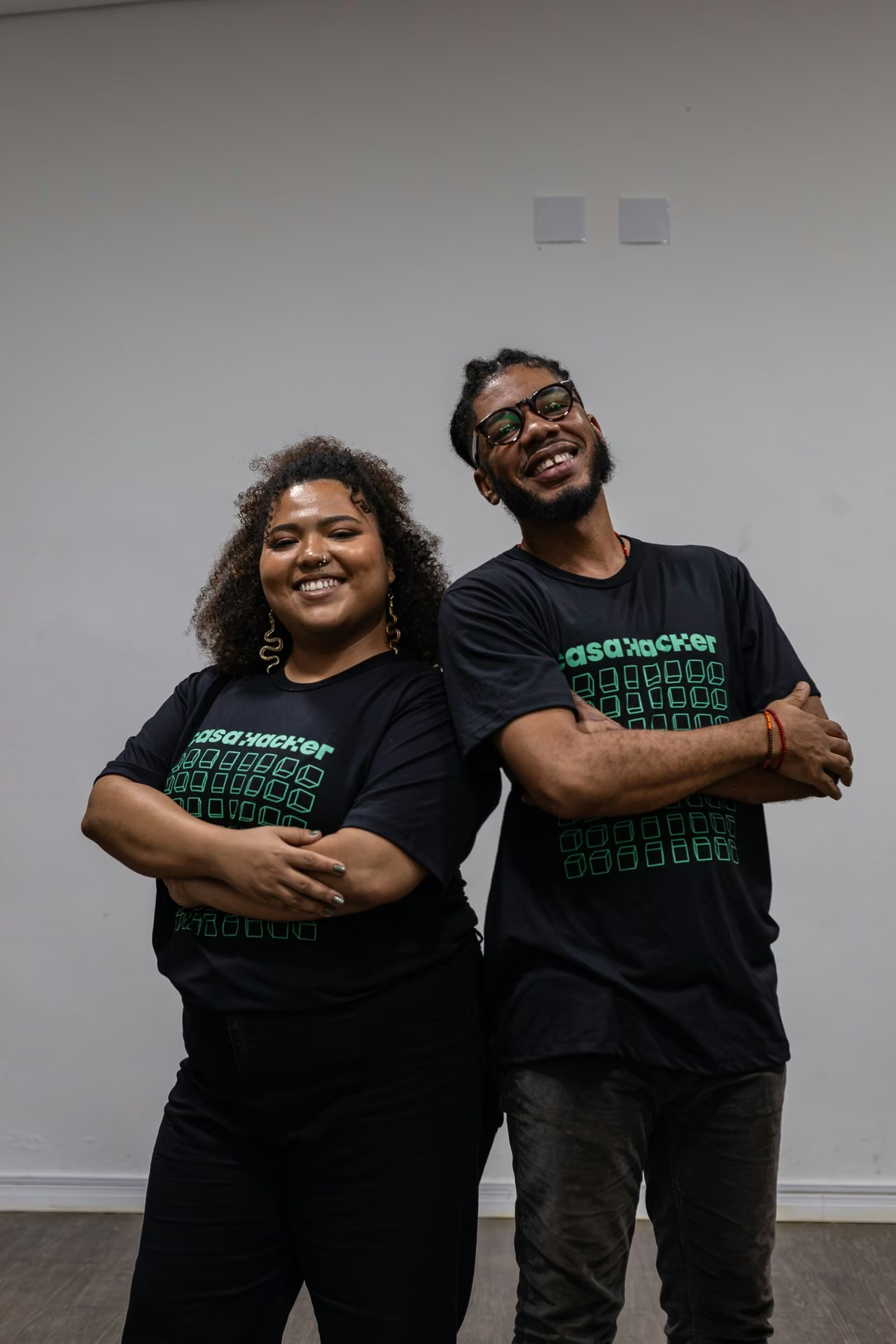
For almost a year I supported twenty community leaders at different moments of their initiatives. Every gathering required dozens of small, invisible actions.
Confirming attendance, arranging transport, tracking payments, drawing up contracts, structuring indicators, reviewing documents, reporting accounts, talking with suppliers, checking dietary restrictions, organising venues, following the training and, above all, listening.
I learnt that no spreadsheet replaces a conversation.
When communication happens at the right moment, problems shrink before they even appear. When it fails, small delays end up producing impacts across several areas of the project, and that is more common than it seems. One contract depends on another, a supplier depends on an approval, an activity depends on transport, catering, a venue and a team working together.
I came to see that project management is, above all, coordination between people.
I also learnt that indicators tell stories.
Throughout PerifaImpacto I took part in building, applying and analysing the baselines, the quarterly follow-ups and the impact indicators. Every completed form stopped being just a number once it was compared with that leader’s trajectory.

Seeing initiatives widen their partnerships, increase the number of beneficiaries, raise their first funds or better structure their teams showed that those data represented concrete changes in the territories. It was a constant exercise in turning information into decision-making.
Another aspect that marked my work was systematisation.
I have always believed that knowledge only generates impact when it can be shared. So, throughout the delivery of the project, I sought to record processes, create document templates and databases, organise workflows, structure materials and develop tools that could make life easier for whoever came next.
Systematising is not adding bureaucracy. It is preventing knowledge from being locked inside a single person. Today we have a database of professionals, categorised, with average pricing, location, services offered, CNPJ, CNAES, contact details, particulars I could always look up in quotes from new professionals or from the same ones — do they fit the need? Do they not? Well, after that, I had an easily accessible place from which to request a new quote or service

PerifaImpacto community leaders
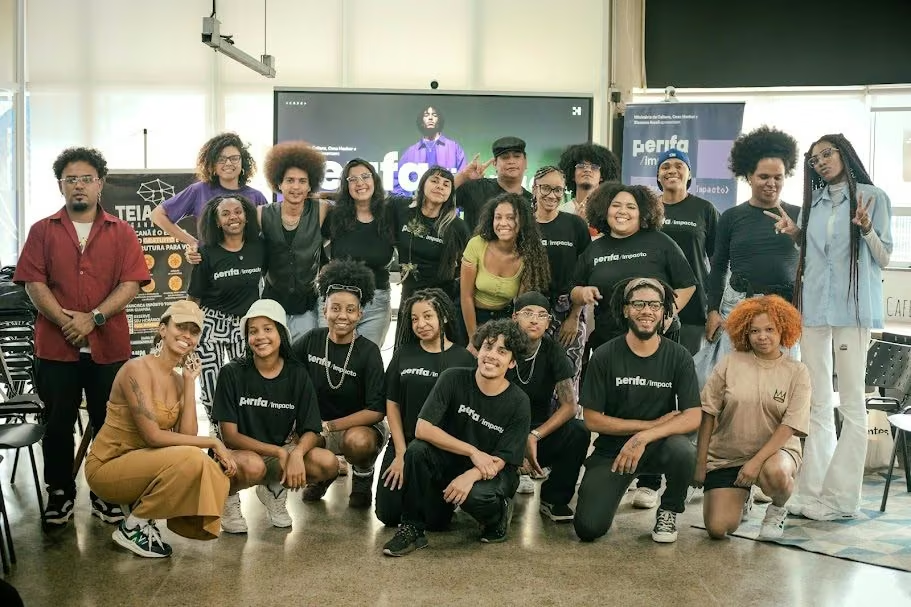
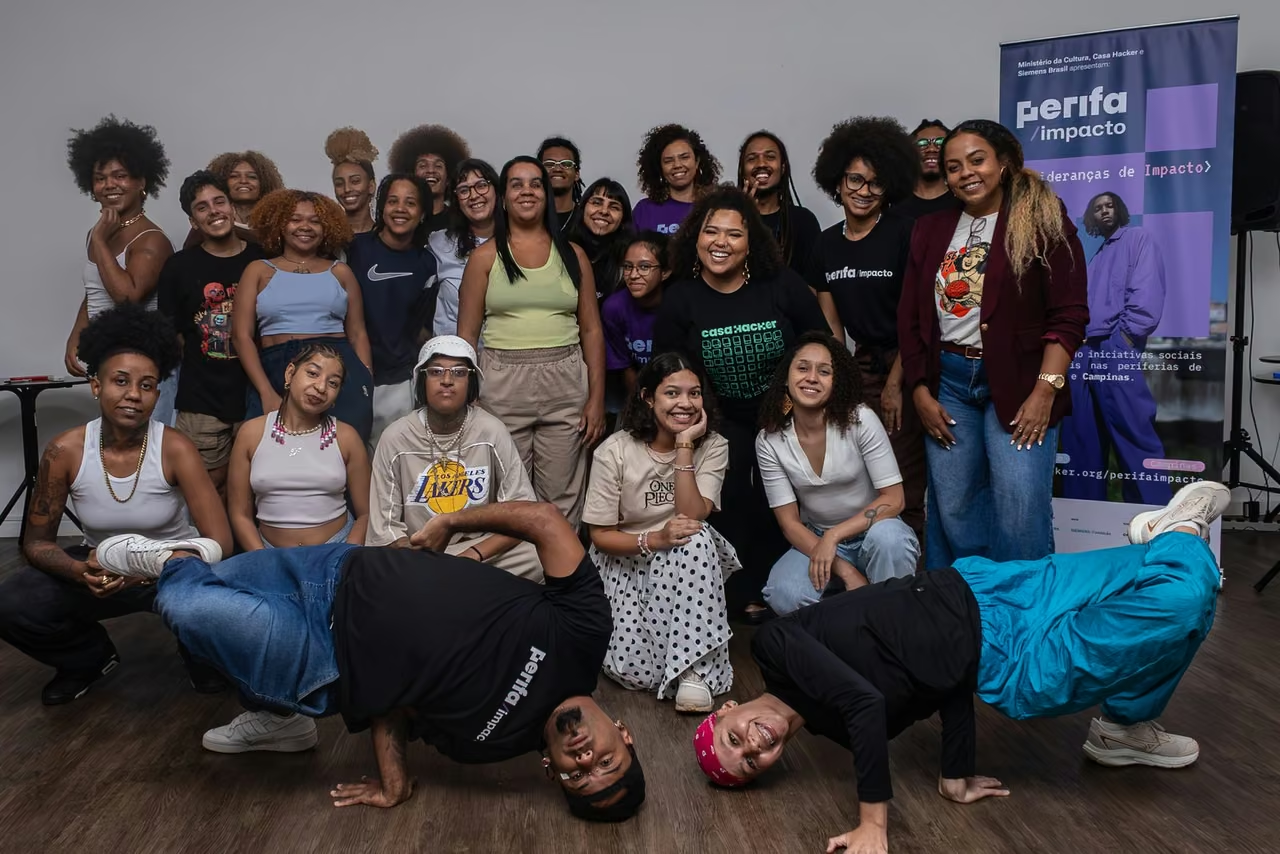
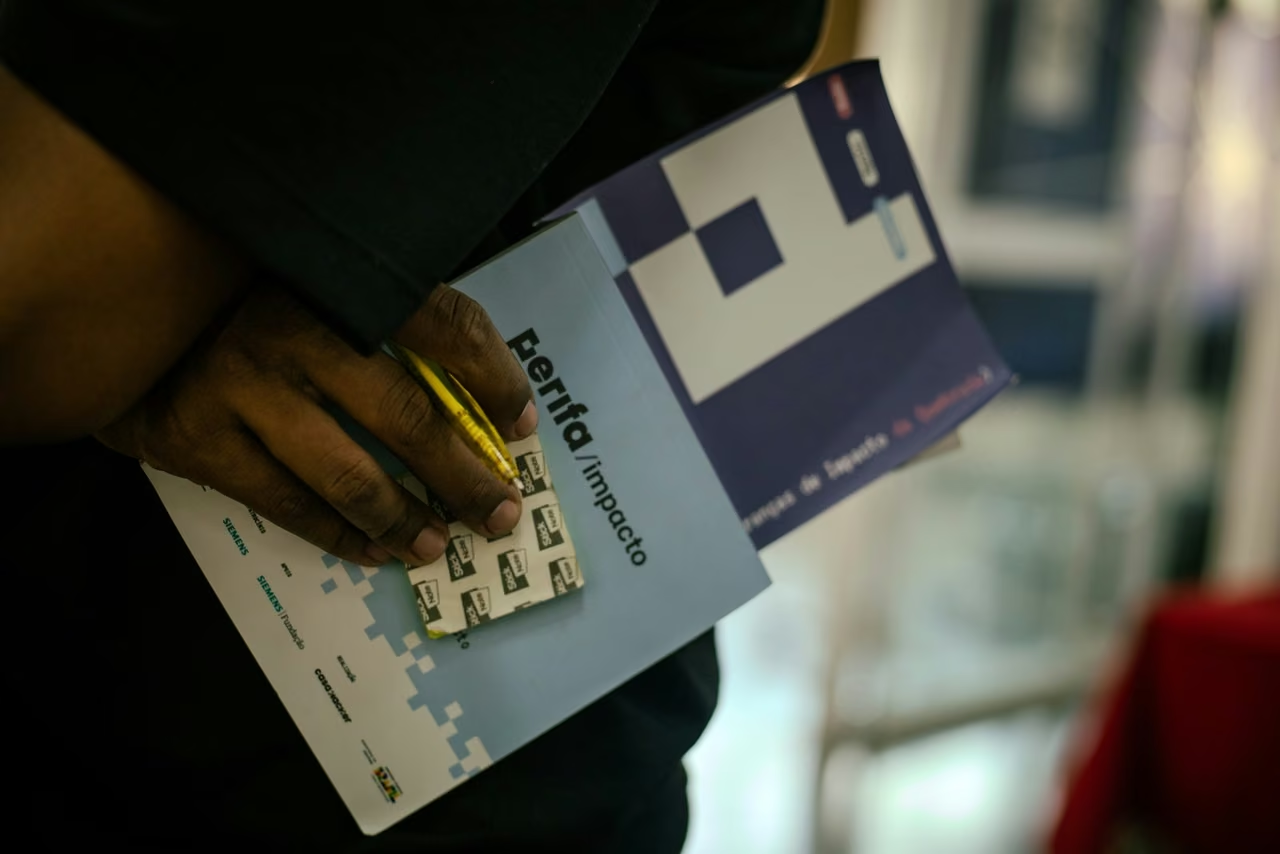

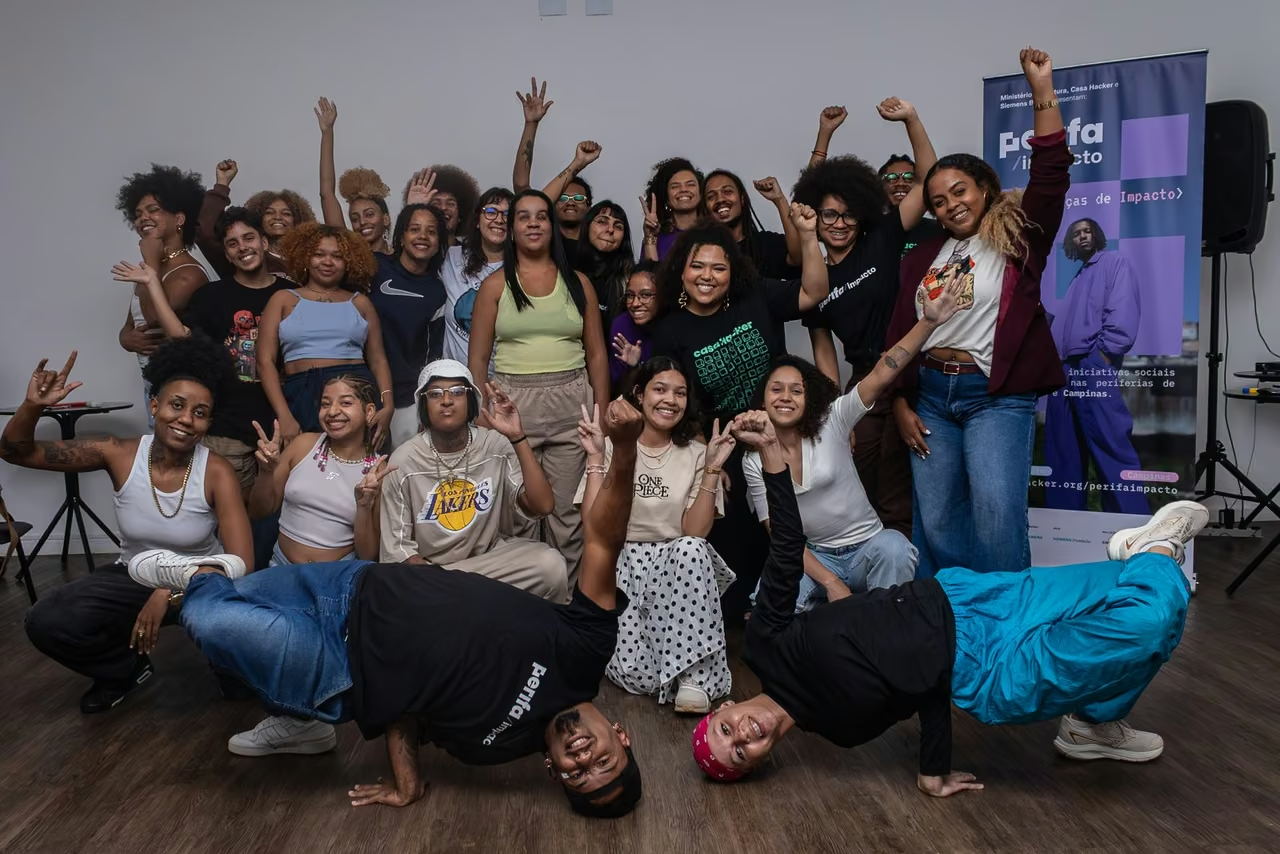
The community leaders of the 2025 edition

Leticia – Campinas community leader

PerifaImpacto also reinforced something I have learnt at Casa Hacker since the earliest years: social innovation does not happen only inside training rooms. It happens when we manage to improve the way we work.
A well-organised spreadsheet avoids rework. A well-defined process reduces errors. A properly structured contract protects every party. A shared schedule strengthens the team. Clear communication improves the experience of the leaders.
All of that is innovation too. Today, looking back, I realise that my greatest lesson was not about project management.
It was about trust.
Trust built between team, leaders, partners and territories. Trust that well-organised processes can strengthen community initiatives. Trust that technology can bring people closer when it is used to simplify rather than to complicate.
I leave this journey carrying far more than completed reports or delivered schedules.
I carry the certainty that when management and care walk together, the impacts produced in the territories stop being merely the results of a project and become part of the history of the people who believed in it.
That was, without a doubt, the greatest thing PerifaImpacto left me.
What do the numbers tell us?
Over the 12 months of training, we closely followed the progress of 20 community leaders from Campinas. The indicators built during the journey show that the impact went beyond the training itself.
By the end of the programme, the initiatives had significantly expanded their work in the territories. The number of people directly benefited went from 210 to 273 people per quarter, a growth of approximately 30% between the second and third monitoring cycles alone.
The teams grew stronger too. Today the 20 initiatives mobilise approximately 90 people among leaders, staff, volunteers and direct partners, showing that each project stopped working in isolation and began building more solid networks.
In terms of institutional connections, the leaders came to take part in around 90 networks, collectives, forums and coalitions, widening their capacity for policy advocacy, knowledge exchange and partnership building.
The management indicators also improved consistently. At the end of the journey, the leaders’ self-assessment showed striking results:
- Organisation and planning of the initiative: average of 4.55/5 (91%);
- Strength and relevance of partnerships: average of 4.90/5 (98%);
- Ability to solve problems and set priorities: average of 4.25/5 (85%);
- Clarity about financial sustainability strategies: average of 4.68/5 (94%);
- Ability to mobilise financial resources: average of 3.58/5 (72%), indicating a field that is still developing, but which showed important progress over the course of the training.
These indicators represent people who structured their organisations better, strengthened their territories, created new opportunities and widened their potential for impact.
If you have read this far, thank you for sharing a little of this path with me. I continue to believe that technology, culture and social innovation are powerful tools for transforming territories when they are placed in people’s hands.
Casa Hacker will always be part of my story, but this is not a farewell to the mission. I carry on building new projects, strengthening initiatives on the outskirts and sharing knowledge wherever I go.
Let’s stay connected. Follow me on social media: @nyakoficial
Thank you for adding so much to our team #hackers #tamojunto.
Until next time!
