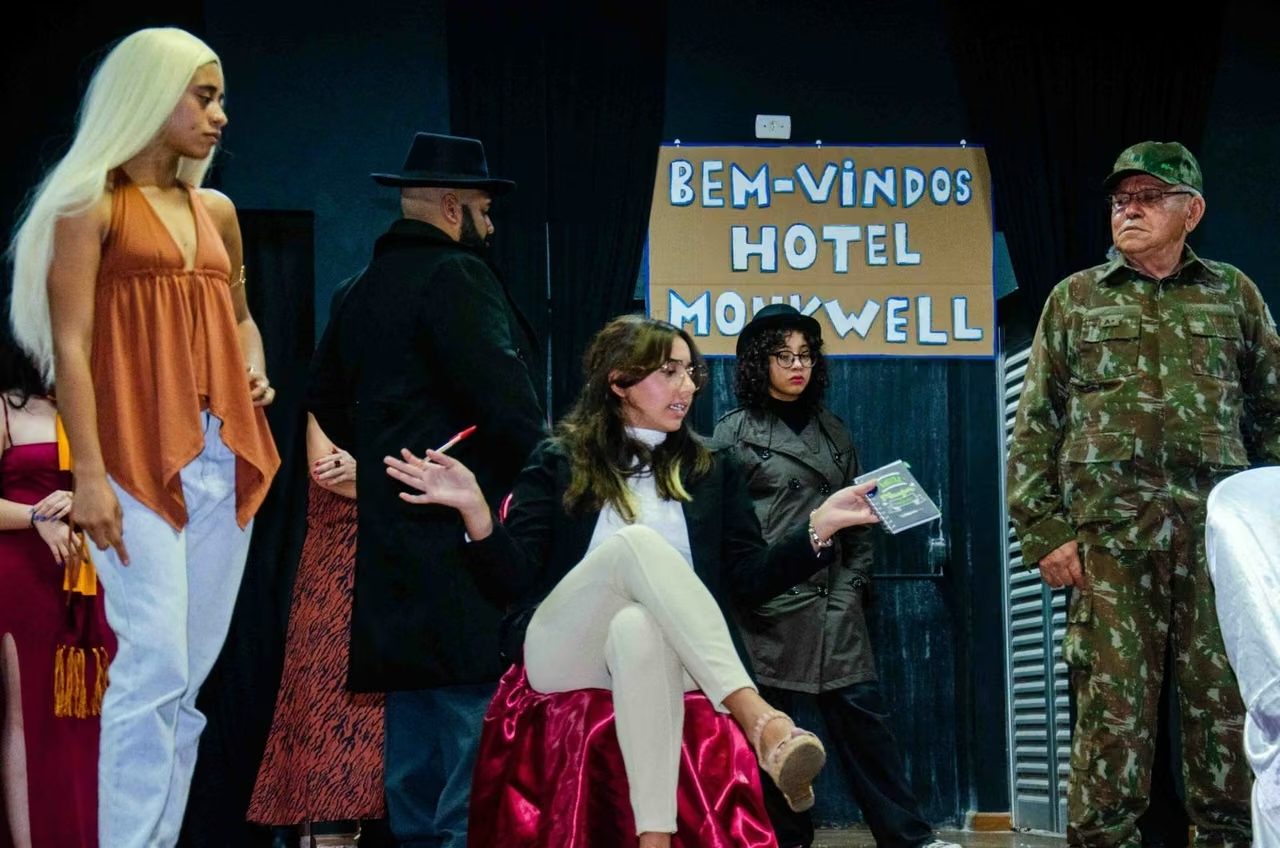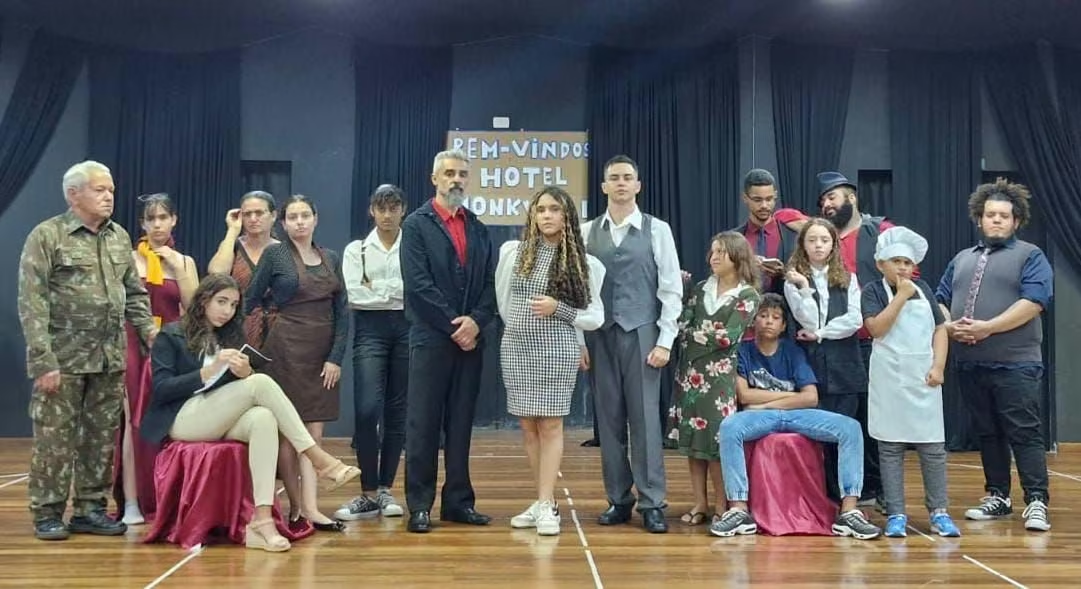
With support from the Fundo da Quebrada, the Teatro para Múltiplas Idades project closed a beautiful cycle at CEU Florence: gatherings week after week, people creating together, gaining voice, body and courage — and occupying public space with art, togetherness and belonging.
What was done and the impact on the territory
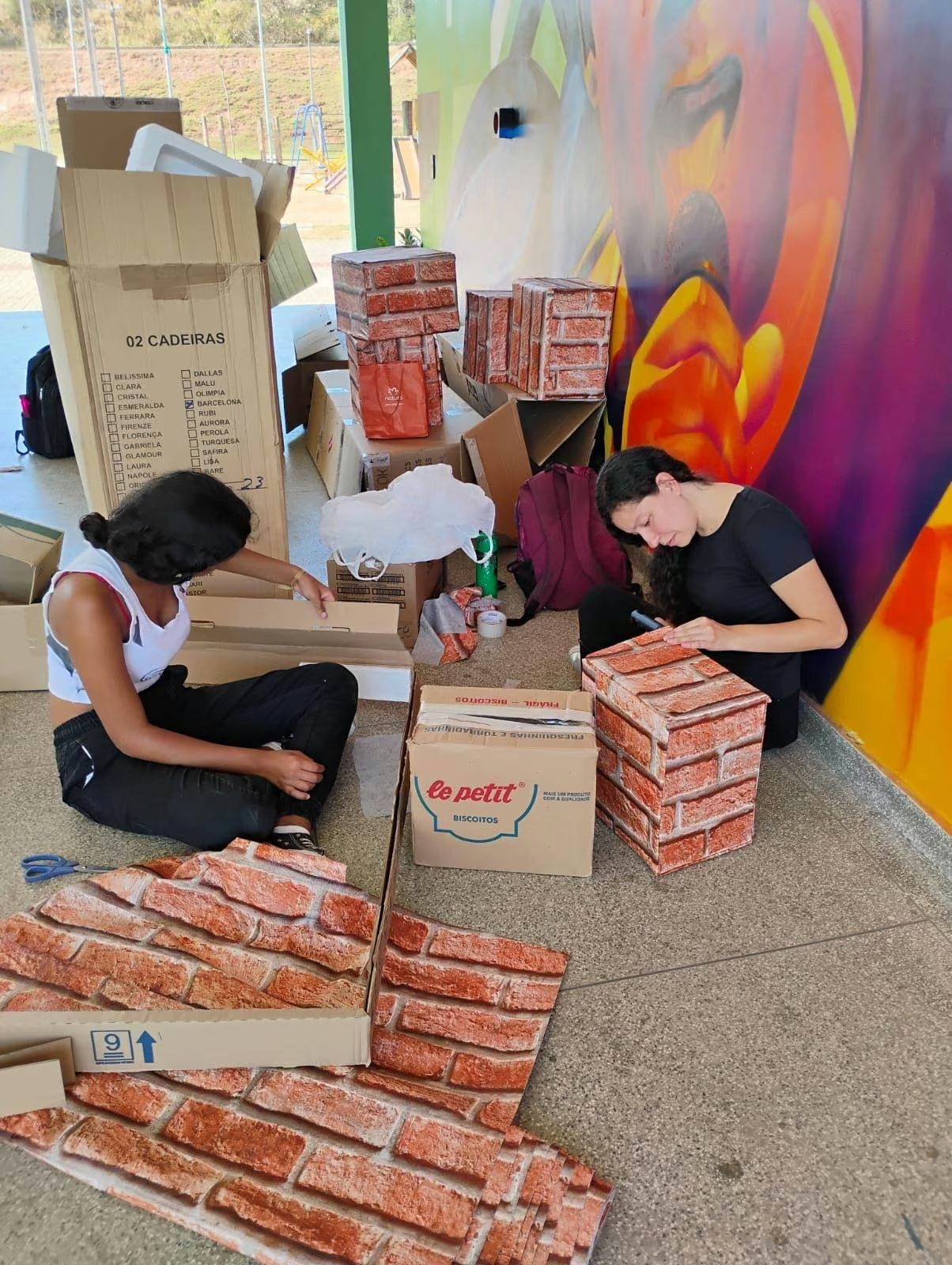
In practice, it was a complete theatre process, from beginning to end. The workshop moved through theatre games (focus and self-knowledge), clowning (loosening up and self-expression), improvisation (creativity and teamwork) and vocal and physical preparation — as well as reading and contact with classic dramaturgy, widening their repertoire and stirring a taste for reading. And there was one difference that changes everything: the group got hands-on building the set and props, understanding that theatre is also collective construction — with affordable solutions, thought through together, and with attention to stages such as lighting and sound design.
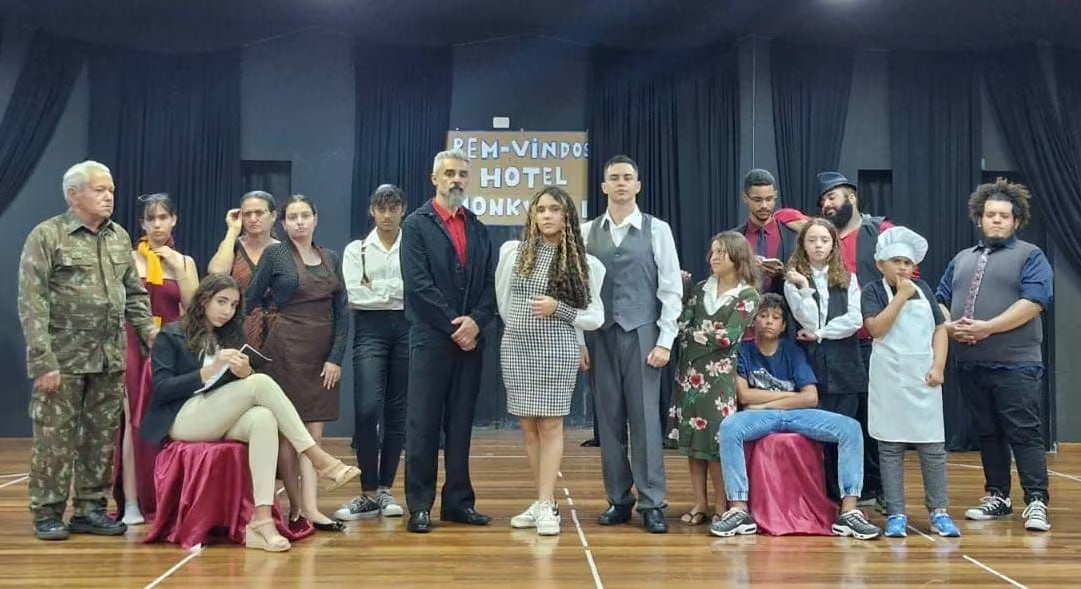
The project directly reached 29 people, including 18 children and adolescents and 2 people with disabilities, strengthening a cultural space that is alive, open and possible within the territory. Even with the drop-outs that tend to show up along the way, the team reorganised itself, welcomed new people and kept the production moving.
The Fundo da Quebrada and the legacy it leaves
The Fundo da Quebrada is the kind of push that makes a difference: a call for proposals that comes in with seed capital to strengthen impact initiatives in Campo Grande, backing those who already make things happen in the quebrada — and who need structure to turn effort into results.
The closing came with a staging of “The Mousetrap”, a mystery in which a group is cut off by a snowstorm and has to work out who committed a murder before another one happens — a story that, on stage, becomes training in presence, listening, precision and courage.
And perhaps one of the most beautiful images of this cycle is a simple one: people walking through the CEU, seeing the set being built, asking questions, taking an interest — to the point that the project even created an Instagram page to keep up with the audience’s curiosity and desire to follow along. What remains now is legacy: people freer to speak, more whole in occupying space, better prepared to create — and a CEU that, when it becomes a stage, reminds everyone that culture is not an event: it is continuity.