skip to content
// category

STEAM Education

23 of 108 publications

← all publications
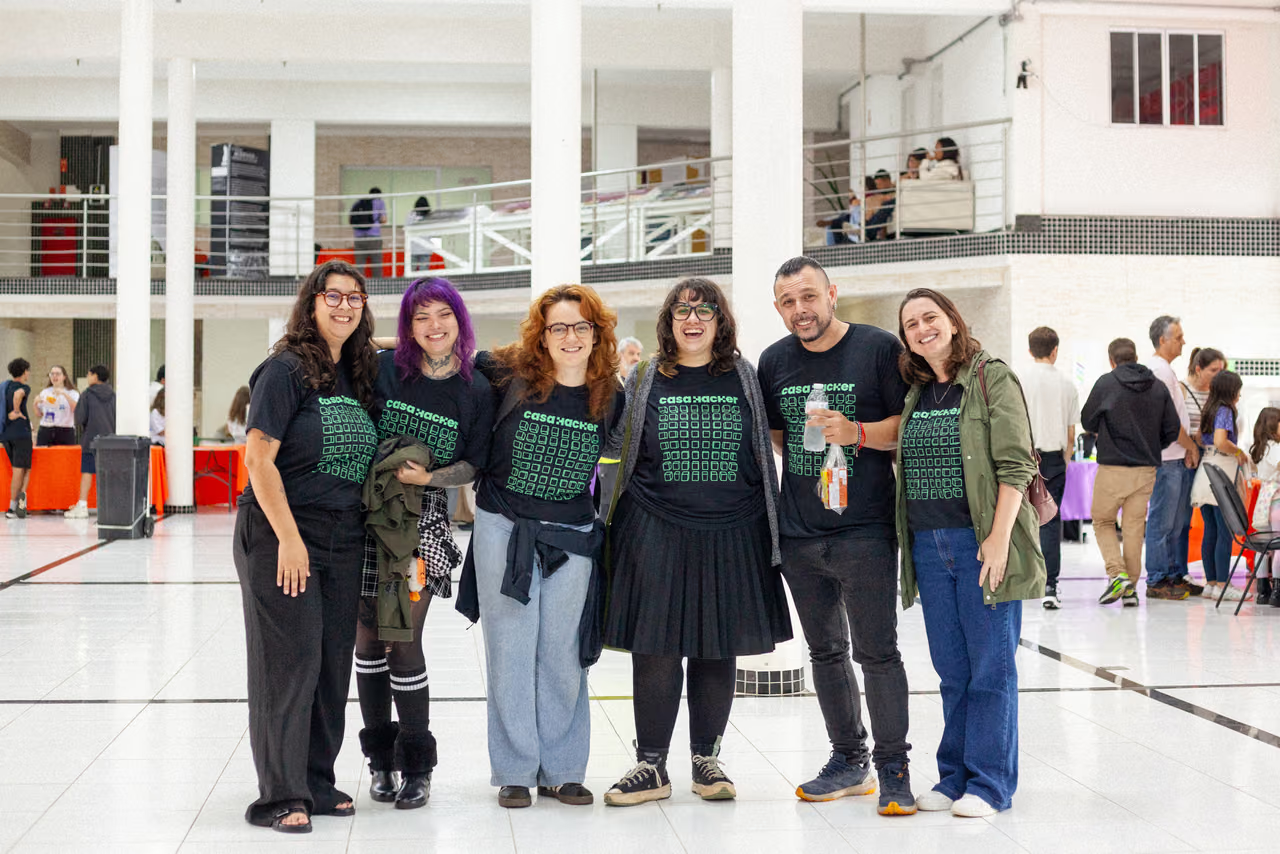
Six members of Casa Hacker pose together at the space of the II InterCOCEN Science Fair. They wear black t-shirts with the organization's visual identity and are in a hall with booths and event participants in the background.

Connecting STEAM Educators: Learning from Practice and from Each Other

At Casa Hacker, meetings between educators create spaces to share experiences, challenges, activities, and lessons learned in the classroom. Through these exchanges and reflection on their own practice, educators expand their repertoires and collectively build new possibilities for STEAM education work.

Aliene Villaça
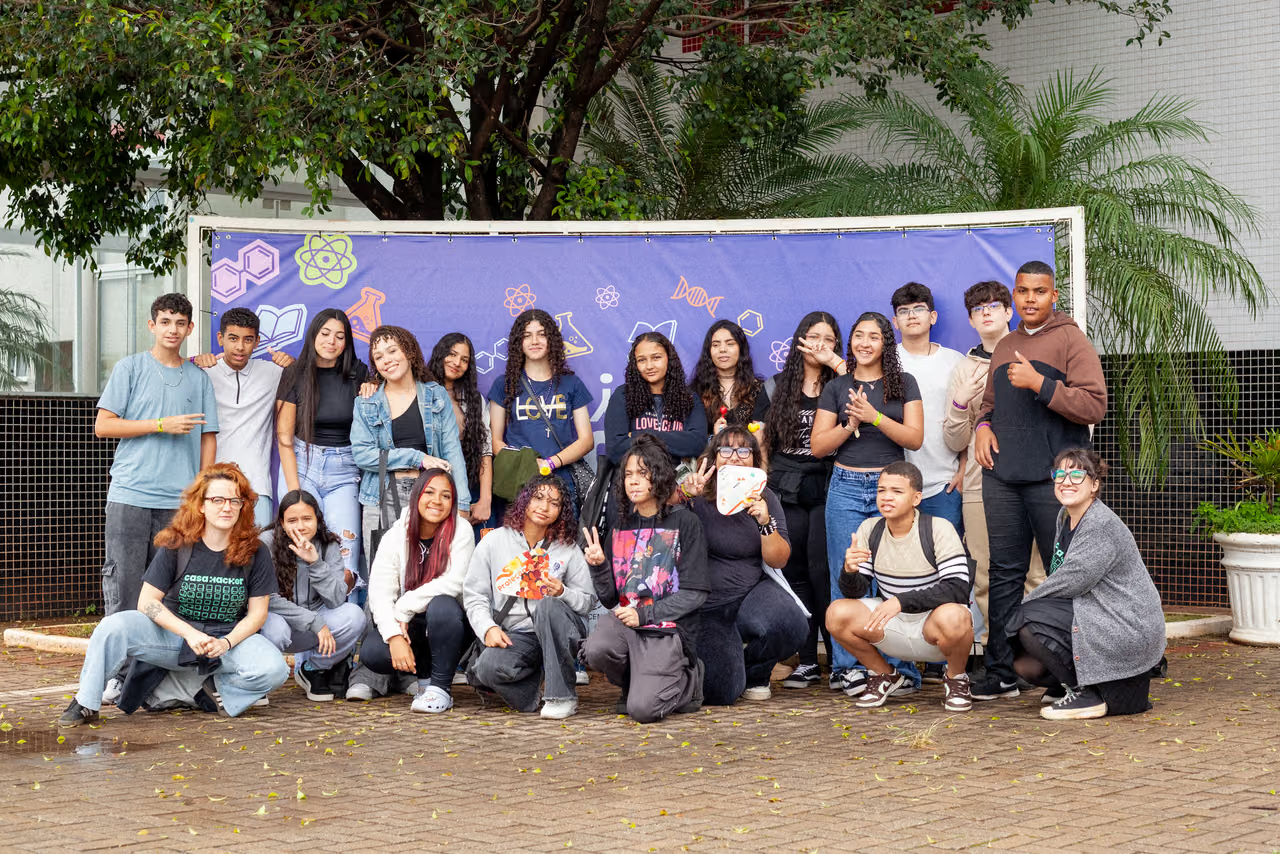
Group of students and members of Hackerclubes pose for a photo in front of a panel decorated with elements related to science and technology. Participants are gathered in different positions, some standing and others sitting, during the II InterCOCEN Science Fair.

Expanding Horizons with Hackerclubes

The participation of Hackerclubes students in the II InterCOCEN Science Fair brought classroom learning closer to the research developed at Unicamp. The experience expanded the students' repertoire regarding the applications of technology and helped bring the university closer to their future possibilities.

Pamela Moraes
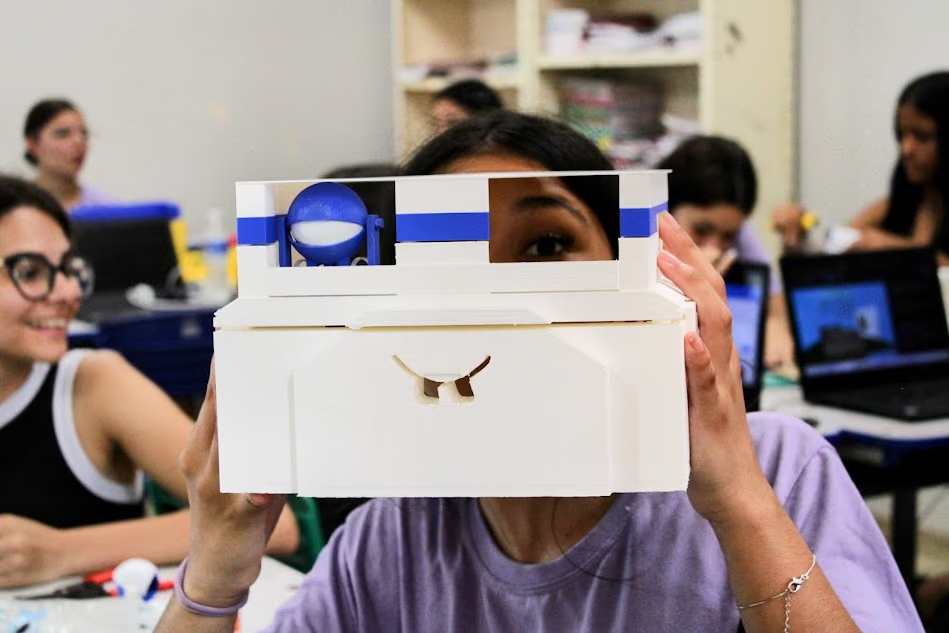
A student holds a white prototype with blue details in front of their face, built during a Hackerclubes activity. In the background, other students work on computers and experimentation materials.

Creativity and STEAM Education

At Hackerclubes, creativity is used as a pedagogical tool to bring students closer to technology and stimulate autonomy, experimentation, and expression. Classroom experience shows how STEAM education can create spaces for students to not only learn how to use technologies, but also develop their own ideas and solutions.

Patrícia Polzl
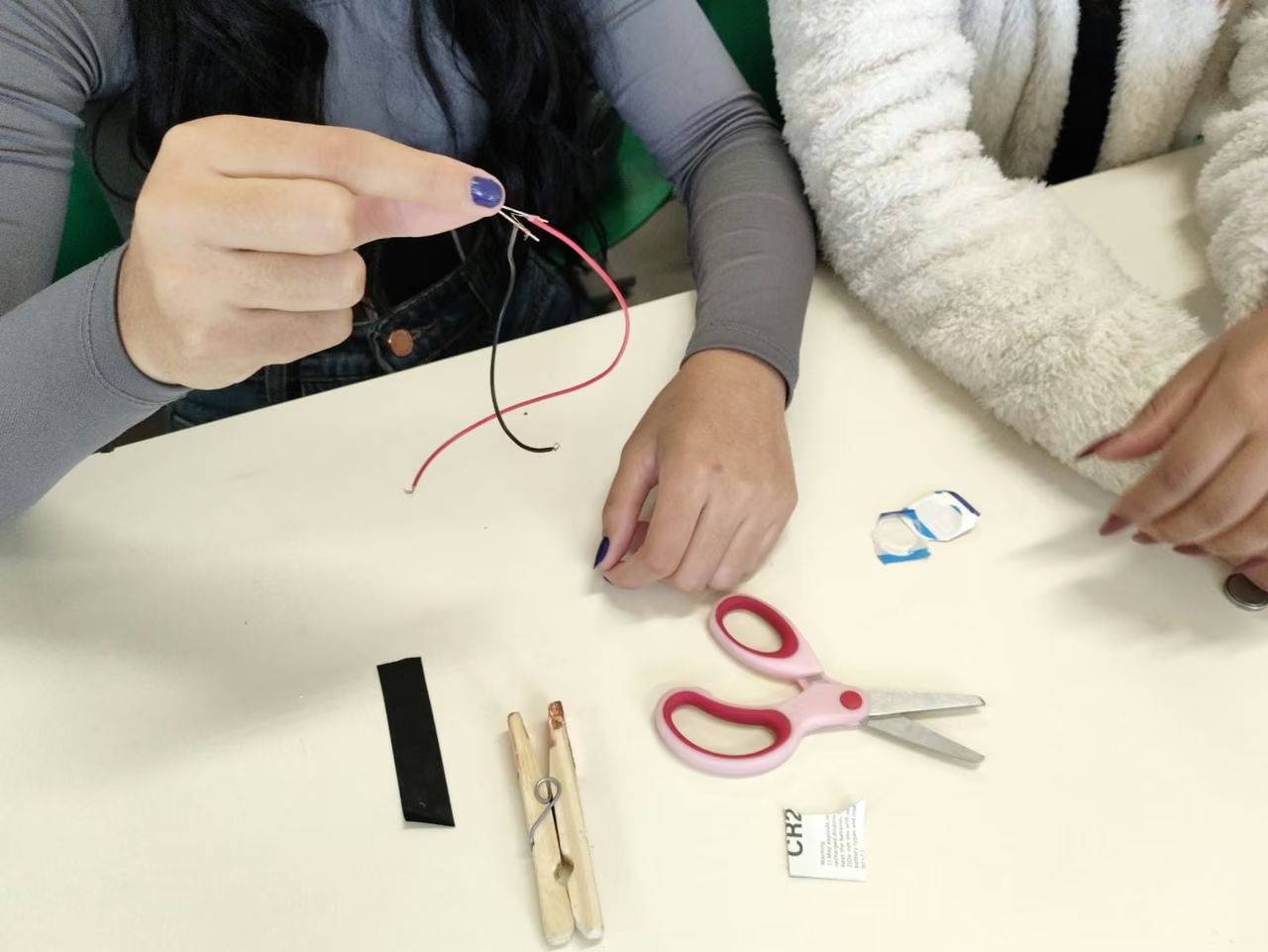
The hands of two young women assemble a simple circuit with red and black wires, scissors, insulating tape and a wooden clothes peg on the table.

Outreach and the importance of localised STEAM teaching

This text sets out to discuss the importance of localising the way activities are developed and to consider how outreach sessions — the activities that invite young people to sign up for the Hackerclubes — are more than a way of promoting the project and end up offering young people a space for first contact with

Pamela Moraes
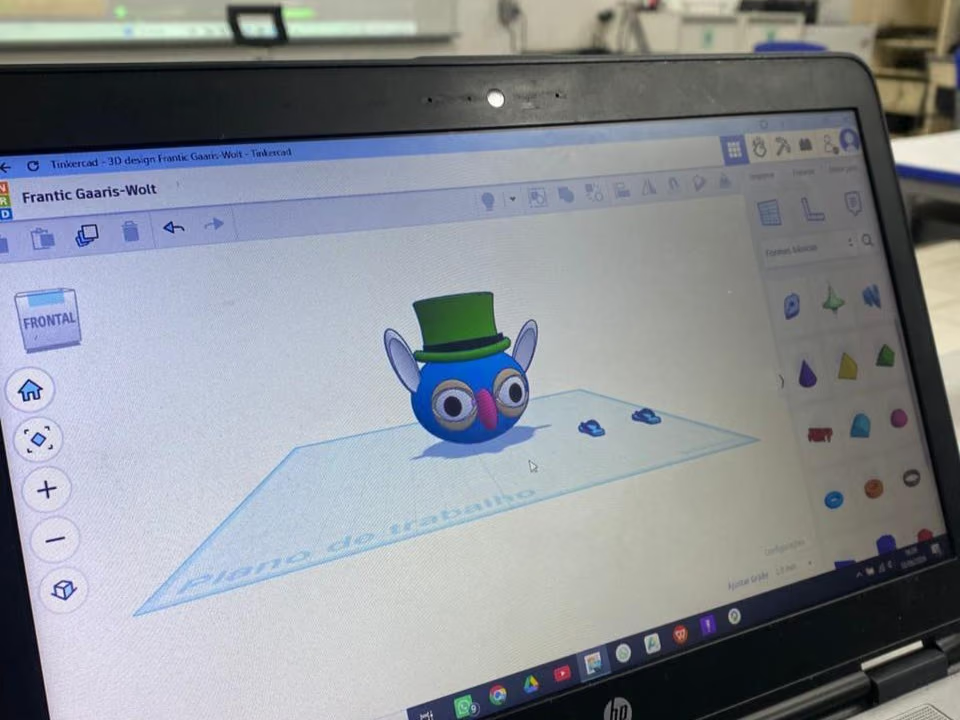
Creation activity in Tinkercad during one of the Frota Hacker experiences

Manifesto Frota Hacker

In a technology teaching experience, Ocian Junior transformed the classroom into a fleet of hacker pirates, dividing students into crews with different roles and responsibilities. The dynamic aimed to develop collaboration, leadership, autonomy, and respect, showing how gamification can bring technical learning closer to human relationships.

Ocian Junior
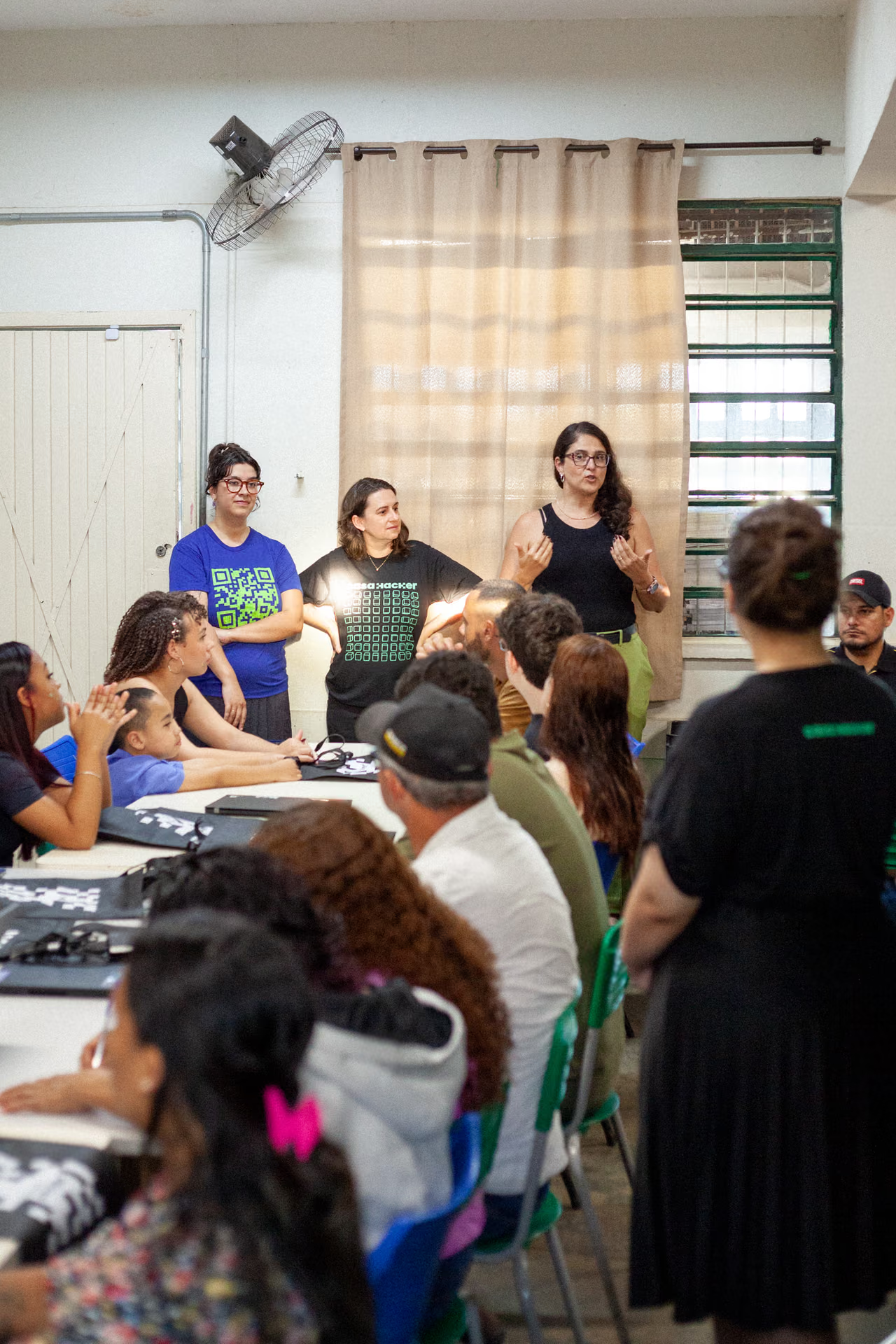
Three educators in black Casa Hacker t-shirts talk while standing in front of a class seated at school desks, beside a Hackerclubes banner.

Reflections of a technology educator

I have been teaching since 2013, always in social organisations. In that time I have worked with adults, older people and people with a range of difficulties. Technology has always been part of the way I teach. More than using computers, I have always tried to use it as a way of bringing people closer, creating connections and making lessons more meaningful.

Ocian Junior
Shared Teaching: What I learned teaching together

Shared Teaching: What I Learned Teaching Together

Co-teaching in Casa Hacker's STEAM projects in Sumaré shows that collaboration, trust, and care among educators sustain a sense of belonging for both those who teach and those who learn.

Patrícia Polzl

Educator training in Inclusão Tech

As the final stage of the Redes Conectadas project, Casa Hacker trained educators from four institutions so that each one could carry digital inclusion forward in their own territory.

Aliene Villaça
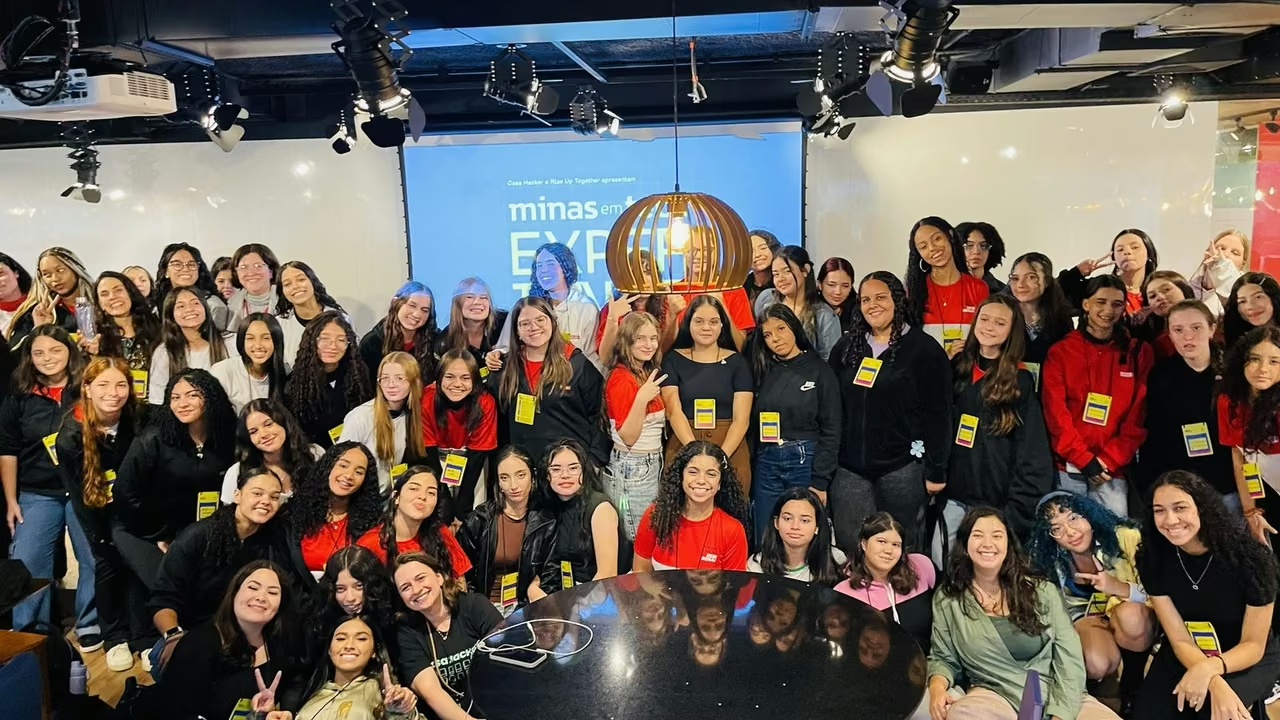
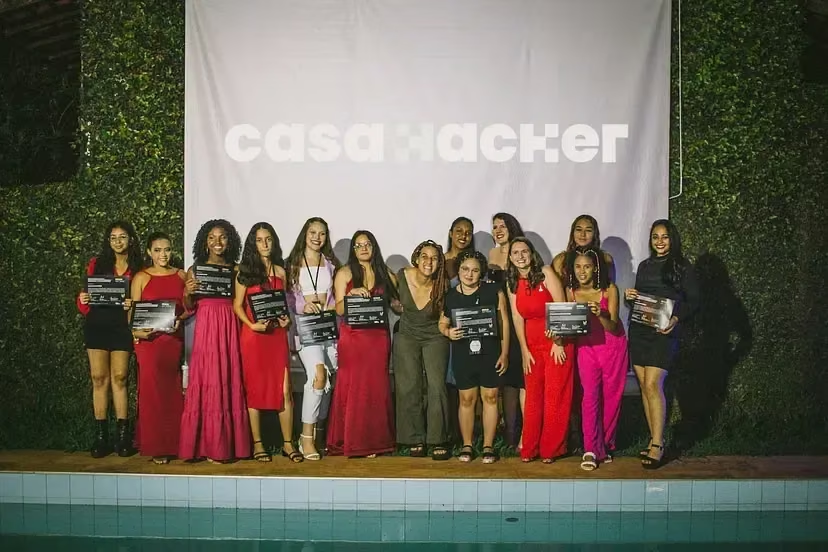
Twelve girls stand in a row holding certificates in front of a Casa Hacker backdrop.

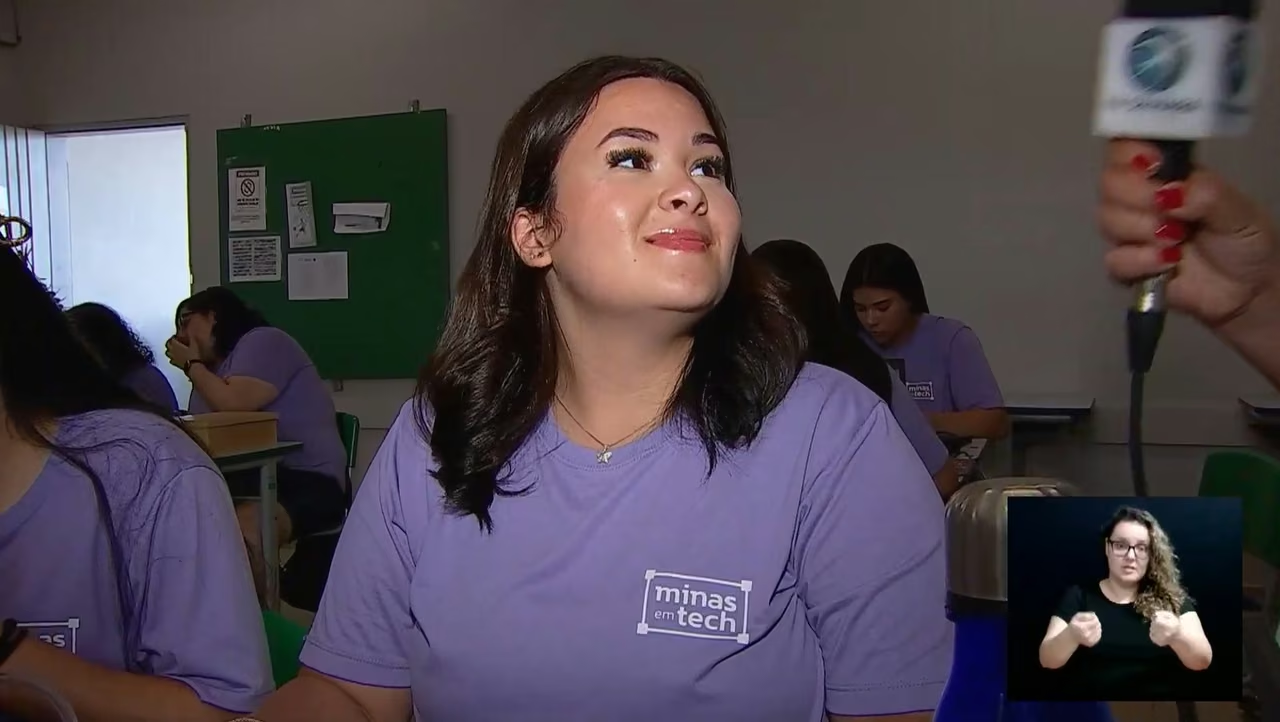
Minas em Tech 2022: what did the “minas” do?

Aliene Vilaça and Vivian Thais Leite look back at the first edition of Minas em Tech, in Matão: electronics, programming, 3D modelling and printing — and the final challenge of building an MVP from scratch — in the training programme exclusively for girls.

Geraldo Barros
A masked young man watches a 3D printer running on the workshop bench.

STEAM education transforming the reality of the periphery

STEAM education brings together science, technology, engineering, arts and mathematics in projects that start from real problems — and, in the periphery, it becomes a tool for investigation, autonomy and transformation of students' reality.

Geraldo Barros

Donate

The link opens the BTG Pactual donation page, with the payment methods available there.

Donate in reais

From outside Brazil

For an international transfer, use the details below. Pick the currency: what changes between them is the intermediary bank.

The field names are in English because that is how they appear in your bank’s transfer form.

The same for both currencies

Creditor Agent (BICFI)BPABBRRJ
Creditor AgentBANCO BTG PACTUAL S.A.
Bank addressPraia de Botafogo, 501 — Rio de Janeiro — Brazil
IBAN / OtherBR8130306294000500002143176C1
BeneficiaryASSOCIACAO CASA HACKER
Beneficiary addressRua Doutor Renato Paes de Barros, 618 — Itaim Bibi — São Paulo — SP — 04530000 — Brasil

USD

Intermediary Agent (BICFI)CITIUS33
Intermediary AgentCITI, NEW YORK — US
BTG account with intermediary36317173

EUR

Intermediary Agent (BICFI)CHASDEFX
Intermediary AgentJP MORGAN FRANKFURT — DE
BTG account with intermediary6231431278

Remittance Information is optional: use it to identify the payment if you want to.

Check the details on your bank’s screen before confirming the transfer.

see the full page →